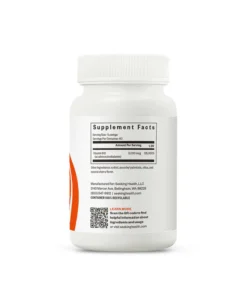
Seeking Health Adeno B12
$32.80

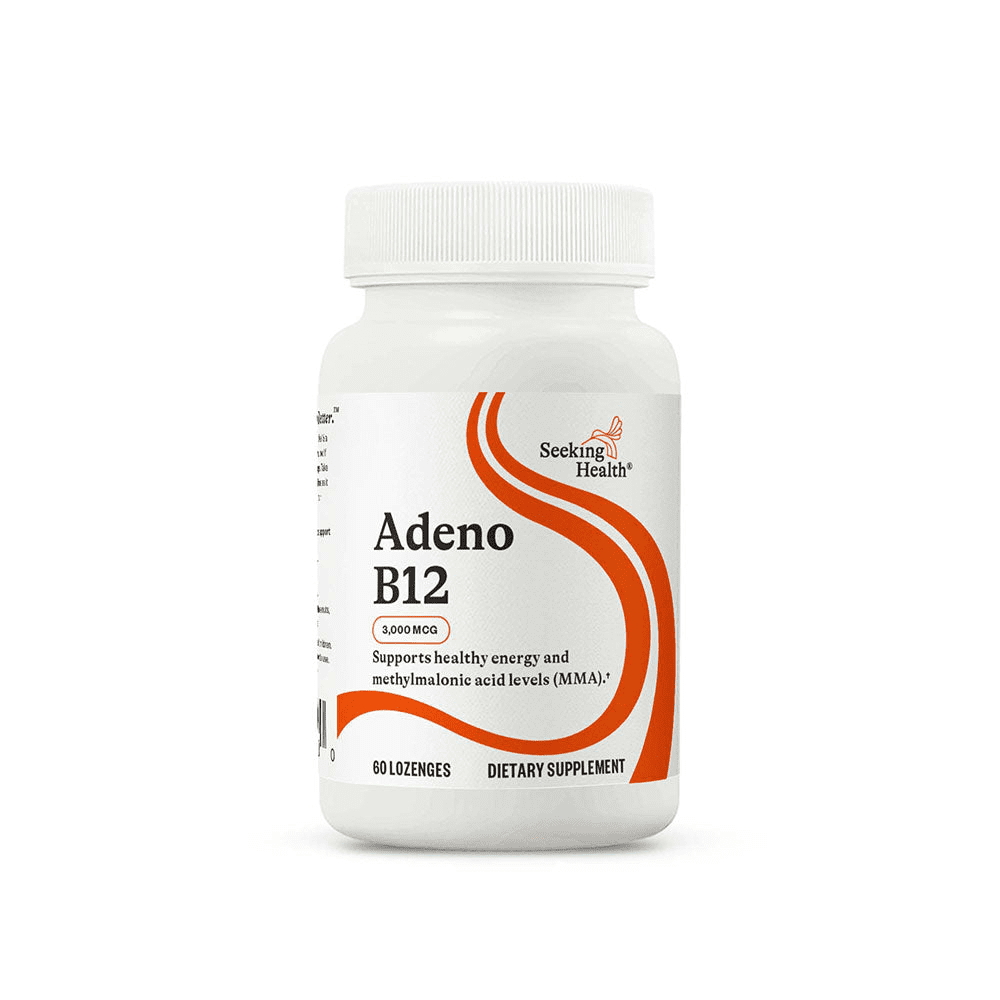
B12 supplement: Adenosylcobalamin in lozenge form.
Seeking Health methyl-free B12 formulation with sublingual dissolvable lozenge delivery.
Out of stock
What is Adeno B12 and who is it for?
Adeno B12 is a vitamin B12 supplement from Seeking Health providing 3,000 mcg of adenosylcobalamin per lozenge. Adenosylcobalamin is a naturally occurring form of B12 found in high concentrations in mitochondria. Unlike methylcobalamin, it contains no methyl groups, making it a practical option for people who find methylated B vitamins don’t suit them well.
This formulation is particularly relevant for people who’ve tried other B12 forms and experienced side effects like headaches, nervousness, or a racing heart. It’s also used by those supporting methylation pathways who need a methyl-free route to B12 repletion, and by people who prefer lozenge delivery over capsules or injections.
Fairfield Nutrition Thoughts
Adenosylcobalamin is the form of B12 that most people haven’t heard of, yet it’s the form your mitochondria actually use. Most B12 supplements default to methylcobalamin, which works well for many people but can cause noticeable side effects in those sensitive to methyl donors. Having a methyl-free option matters, especially when supporting methylation pathways in people with MTHFR variants or histamine sensitivity who are already managing methyl load carefully.
Why This Formulation / How It Works
Most B12 supplements on the market use methylcobalamin or cyanocobalamin. Methylcobalamin is the most commonly recommended active form, but it delivers methyl groups directly, which can be problematic for people already managing methyl sensitivity. Cyanocobalamin is synthetic and requires multiple conversion steps. Adenosylcobalamin sits in a different category: it’s a naturally occurring cobalamin found in mitochondria, and it doesn’t carry a methyl group directly, meaning it takes a few additional enzyme steps before methyl groups become available. This slower release is what makes it tolerable for people who react to methylcobalamin.
The lozenge format is a meaningful choice here. Vitamin B12 absorption through the gut depends on a protein called intrinsic factor, which some people produce less of as they age or due to digestive conditions. Lozenges dissolve in the mouth and are absorbed through the mucosal lining, which sidesteps this dependency and generally results in more reliable uptake than standard capsules or tablets.
Role in Mitochondrial Energy Pathways
Adenosylcobalamin is the form of B12 concentrated in mitochondria, where it functions as a coenzyme in the methylmalonyl-CoA mutase reaction. This reaction is part of the pathway that converts certain amino acids and fatty acids into succinyl-CoA, a compound that feeds into the citric acid cycle. Without adequate adenosylcobalamin, this step in cellular energy metabolism is compromised.
Indirect Contribution to Methylation
Though adenosylcobalamin is methyl-free, it still contributes to methylation processes indirectly. The body can interconvert cobalamin forms, and adenosylcobalamin provides cobalamin substrate that the MTR enzyme can use in the methionine cycle. This means methylation pathways receive nutritional support without the direct methyl load that can cause side effects in sensitive individuals.
When to Consider This
This formulation provides B12 nutritional support for people who need a methyl-free cobalamin option. It makes sense if you’re:
- Someone who has tried methylcobalamin and experienced headaches, nervousness, or a rapid heartbeat, and wants a B12 option without direct methyl groups.
- Working with a practitioner on methylation support and managing methyl load carefully due to MTHFR variants or histamine sensitivity.
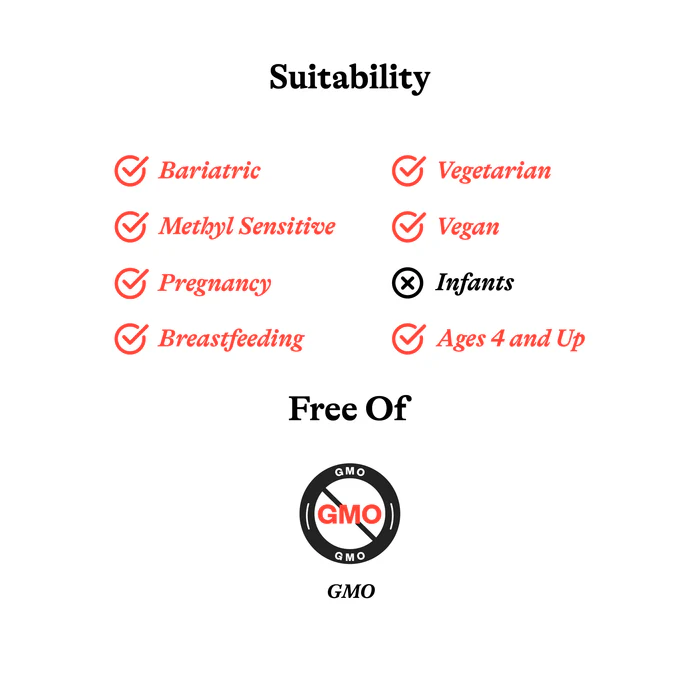
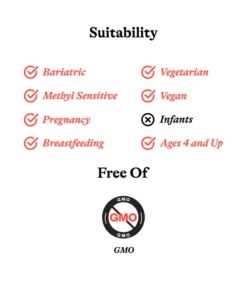
- In a life stage or situation (including pregnancy, breastfeeding, or post-bariatric surgery) where B12 status is a priority and you need a reliable, non-capsule delivery format.
- Vegetarian or vegan, where dietary B12 sources are limited and supplementation is a consistent part of your nutritional approach.
Supplement strategy: Adeno B12 is commonly introduced as part of a broader methylation or B-vitamin protocol. Many people start here after establishing foundational dietary changes and finding that methylated B12 forms don’t suit them. It’s often used alongside other methyl-free B vitamins when a full methyl-free approach is preferred.
⚠️ Not suitable for: Children under 4 years. Do not take within 5 hours of bedtime as it may interfere with sleep. Consult your healthcare professional if you are taking medications or have a pre-existing condition.
How to Use
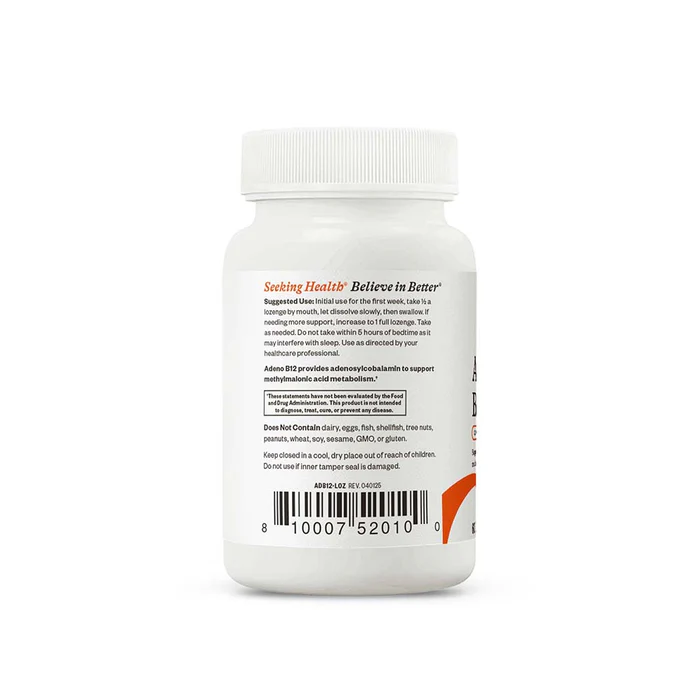
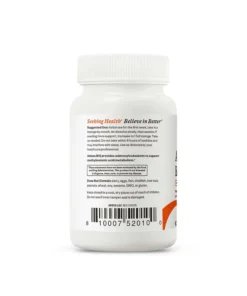
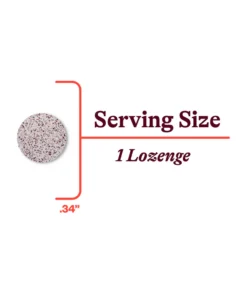
During the first week, take half a lozenge by mouth and allow it to dissolve slowly before swallowing. If additional support is needed after the initial week, increase to one full lozenge. Each lozenge provides 3,000 mcg of adenosylcobalamin. Take as needed, and avoid taking within 5 hours of bedtime as it may interfere with sleep.
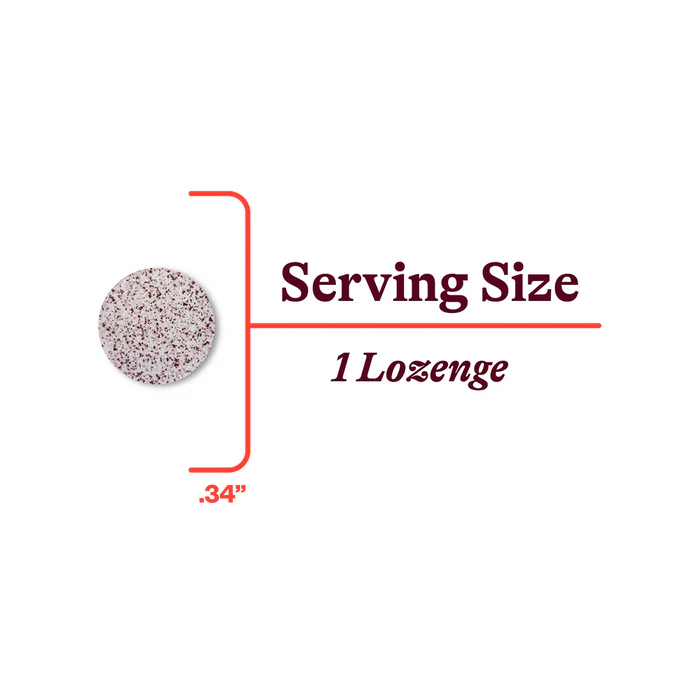
Lozenges are naturally sweetened with xylitol and designed to dissolve in the mouth for mucosal absorption. Use as directed by your healthcare professional.
Ingredients
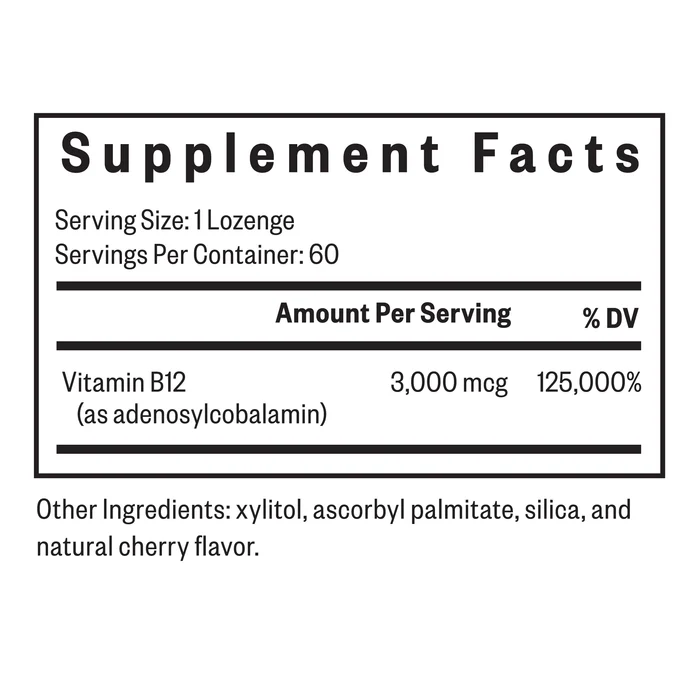
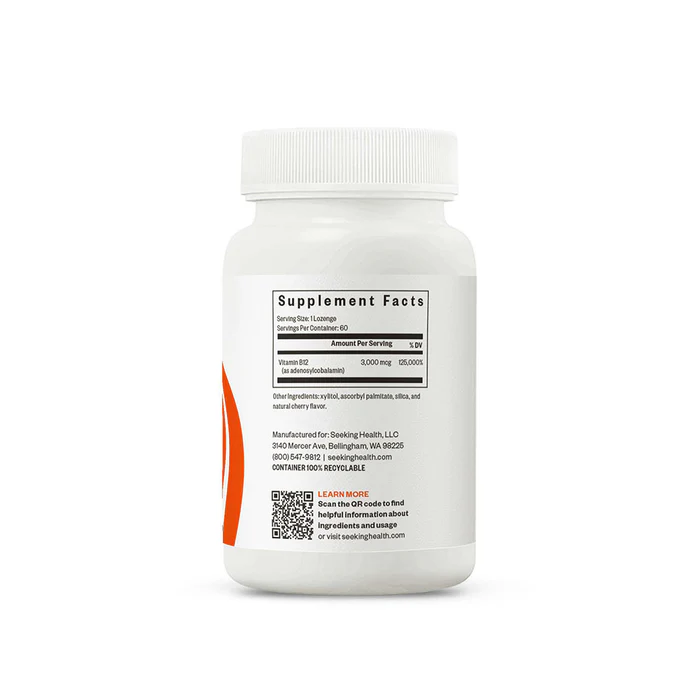
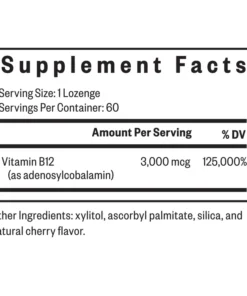
Per lozenge:
Vitamin B12 (as adenosylcobalamin) — 3,000 mcg
Other ingredients: Xylitol, microcrystalline cellulose, stearic acid, natural flavours, vegetable stearate.
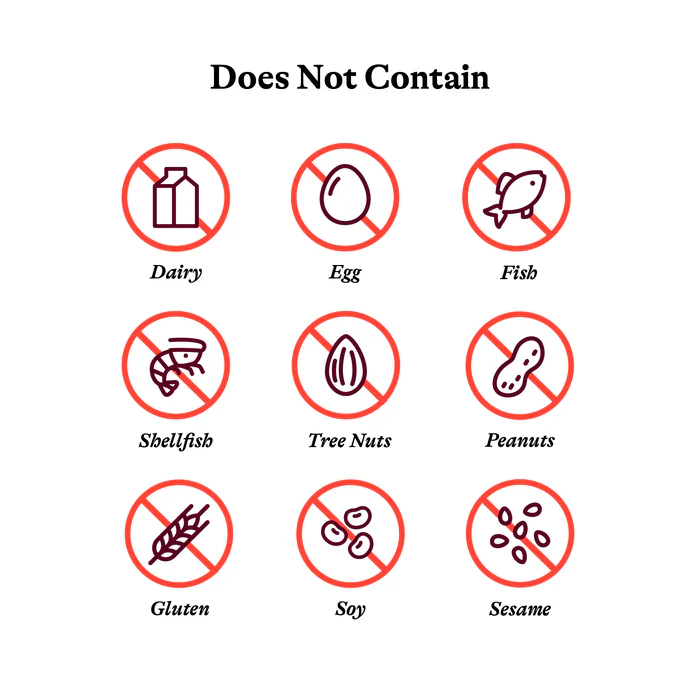
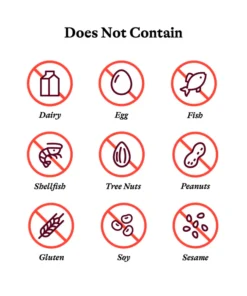
Allergen information: Free from common allergens. Suitable for vegetarians and vegans.
Common Questions
How is adenosylcobalamin different from methylcobalamin?
Both are active forms of B12, but they carry different coenzyme groups. Methylcobalamin contains a methyl group and is used primarily in cytoplasmic reactions including the methionine cycle. Adenosylcobalamin contains an adenosyl group and is the form concentrated in mitochondria, where it functions in a different set of metabolic reactions. For people sensitive to methyl donors, adenosylcobalamin provides B12 without the direct methyl load.
Why does the manufacturer suggest starting with half a lozenge?
Starting low allows your body to adjust gradually, particularly if you’ve had reactions to B12 supplements before. It also helps you gauge your personal response before moving to the full dose.
Can I take this if I’m pregnant or breastfeeding?
Seeking Health lists this as suitable during pregnancy and breastfeeding. That said, always confirm with your healthcare professional before adding or changing any supplement during pregnancy.
Why shouldn’t I take this close to bedtime?
B12 is involved in energy metabolism pathways, and some people find it activating. Taking it within 5 hours of sleep may interfere with settling down for some individuals, so morning or midday dosing is generally recommended.
Warnings & Storage
Do not use if: Under 4 years of age. Avoid within 5 hours of bedtime.
Cautions: Consult your healthcare professional before use if you are pregnant, breastfeeding, taking medications, or have a pre-existing medical condition. If you experience any adverse reactions, discontinue use and seek advice from your healthcare professional.
Storage: Store in a cool, dry place, away from direct sunlight. Keep out of reach of children.
Always consult your healthcare professional before use if you have any pre-existing conditions or are taking medications.
| Weight | 0.035 kg |
|---|---|
| Suggested Use | Take 1 capsule, as needed, just prior to consuming high histamine foods or drinks. Or, take away from food if wanting to support healthy histamine levels in the digestive tract. Use as directed by your healthcare professional. Do not take this supplement and knowingly eat foods you are allergic to – it will not prevent allergic reactions. |
| Warnings | Children and pregnant or lactating women should consult their healthcare practitioner prior to use. This product contains an ingredient derived from porcine (pig). Avoid if allergic to pork or any other ingredient. Histamine Block is NOT EFFECTIVE for symptoms of immune-related food allergies, such as peanuts, shellfish, etc., or for gluten intolerance due to sensitivity or celiac disease. DAO is not absorbed and does not have systemic activity. Histamine Block does not manage or address antibody-related or IgE-related food allergies. |