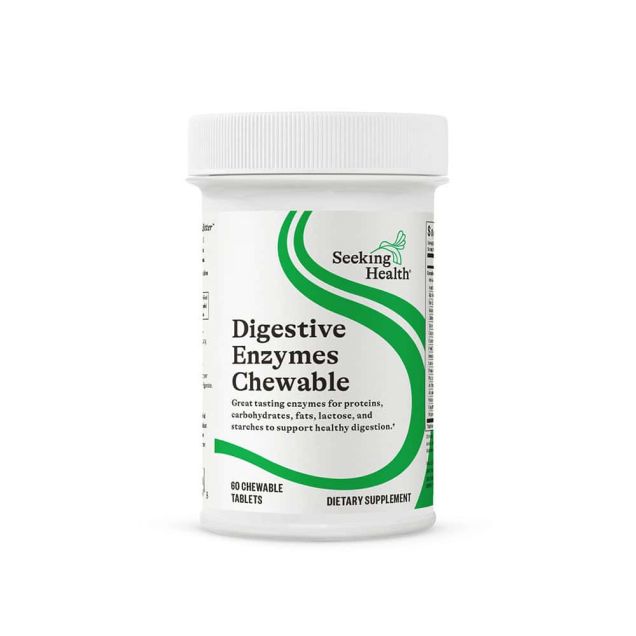


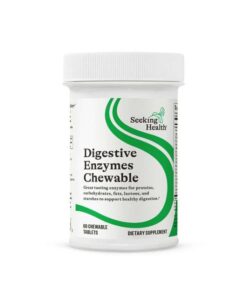


Seeking Health Digestive Enzymes Chewable – 60 caps
$57.80

Seeking Health Digestive Enzymes provides a vegetarian enzyme blend containing protease, amylase, lipase, and additional enzymes delivered in a plant-based capsule.
Formulated as a broad-spectrum enzyme complex for individuals consuming varied meals, distinct from single-enzyme supplements that address only protein or fat digestion.
Only 3 left in stock
Ships same business day from Melbourne (orders before 2pm)

Christmas & Holiday Dispatch
Same-day dispatch on all orders placed before 2pm (Mon–Fri).
We’re sending orders every day over Christmas, except Christmas Eve and public holidays.
Enjoy Free Express shipping on orders over $175 - we recommend Express during the festive period.
What are Seeking Health Digestive Enzymes and who are they for?
Seeking Health Digestive Enzymes is a plant-based enzyme formula designed to support the breakdown of proteins, fats, and carbohydrates during digestion. This chewable formula is particularly useful for individuals whose digestive systems may benefit from enzymatic support, whether due to age, dietary habits, food choices, or occasional digestive challenges. The vegetarian sourcing makes this formula accessible to those following plant-based diets or seeking alternatives to animal-derived enzyme products.
Fairfield Nutrition Thoughts
In functional medicine practice, we recognise that digestive enzyme insufficiency is increasingly common, yet often overlooked. Many clients come in reporting bloating after meals, undigested food in stools, or nutrient absorption issues, not realising that enzyme production naturally declines with age and stress. Seeking Health Digestive Enzymes addresses this gap with a straightforward, plant-sourced approach that doesn’t require refrigeration or special handling.
What impressed us about this formula is its simplicity and practicality. Rather than making broad health claims, it does one thing well: it provides the enzymatic cofactors your digestive system may need when endogenous production is insufficient. For clients who eat quickly, consume larger portions, or struggle with particular food groups, this becomes a useful nutritional tool without being a band-aid solution.
Why choose a plant-based enzyme blend?
Plant-derived enzymes offer distinct advantages over animal-sourced alternatives. They remain active across a wider pH range, meaning they begin working in the mouth and continue functioning through the stomach and small intestine. Animal-derived enzymes, by contrast, are often deactivated by stomach acid. Additionally, plant-based enzymes avoid potential allergen concerns associated with animal sources and align with vegetarian and vegan dietary preferences.
The chewable format of this formula is particularly practical. Rather than swallowing a capsule that must dissolve in the stomach, chewable enzymes begin breaking down food immediately upon contact, which can be especially beneficial for those with reduced saliva production or difficulty swallowing.
How do digestive enzymes work?
Think of digestive enzymes as specialised workers on an assembly line. Your body produces these biological catalysts to break large food molecules into smaller, absorbable units. Without sufficient enzyme activity, food passes through your digestive tract incompletely broken down, leading to malabsorption, fermentation by gut bacteria, and the bloating and gas many people experience after meals.
Protease action: This enzyme breaks peptide bonds in proteins, reducing them from long chains into amino acids and smaller peptides your intestines can absorb. Without adequate protease, you may experience protein malabsorption even when consuming adequate dietary protein.
Lipase function: Lipase breaks down triglycerides in dietary fats into fatty acids and glycerol. This is particularly important for fat-soluble vitamin absorption (vitamins A, D, E, and K) and energy production. Individuals who feel sluggish after fatty meals often have insufficient lipase activity.
Amylase contribution: This enzyme breaks down complex carbohydrates and starches into glucose and maltose. When amylase is insufficient, undigested carbohydrates ferment in the colon, producing gas, bloating, and sometimes loose stools.
What can this support?
This formula provides nutritional support for:
Post-meal digestive comfort: Individuals who experience bloating, heaviness, or gas after eating, particularly after larger meals or foods they find difficult to digest.
Protein digestion challenges: Those who notice undigested food in stools, feel overly full after protein-rich meals, or experience fatigue that correlates with protein consumption.
Fat digestion support: Individuals who struggle after consuming oils, nuts, seeds, or fatty cuts of meat, or who have had gallbladder removal and lack the bile acid reservoir needed for optimal fat breakdown.
Rapid eating habits: People who eat quickly or in stressful environments, where insufficient chewing and saliva enzyme production compromise initial food breakdown.
Age-related enzyme decline: Enzyme production naturally decreases with age; individuals over 50 often benefit from supplemental support.
Dietary transitions: Those increasing fibre intake, incorporating more raw foods, or shifting to plant-based eating may experience temporary digestive adjustment that enzyme support can ease.
Common questions
Will this replace my body’s natural enzyme production?
No. Supplemental enzymes work alongside your endogenous enzymes; they do not suppress your body’s own production. Think of them as temporary support during meals when your own enzyme capacity may be insufficient.
When should I take these enzymes?
Take them with meals, ideally at the beginning. The enzymes need to be present when food enters your digestive tract to be most effective. If you’re taking them as a chewable, chew thoroughly before swallowing to maximise surface area contact with food.
Are these enzymes effective for everyone?
Enzyme responsiveness varies. Some people notice improvement within days; others take 1-2 weeks. Consistency matters—taking them only occasionally is less effective than regular use with meals. If you have severe digestive dysfunction, enzyme support should be part of a broader functional medicine approach addressing stomach acid, bile production, and gut integrity.
Can I take these if I have a sensitive stomach?
Plant-based enzymes are generally well-tolerated. However, if you have active gastritis or severe reflux, discuss with your practitioner before starting. Enzymes work best when stomach acid is adequate; if you’re taking acid-suppressing medications, enzyme efficacy may be reduced.
What’s the difference between this and digestive bitters or HCl supplements?
Enzymes break down food molecules. Bitters stimulate your body’s own enzyme and acid production. HCl supplements provide stomach acid. A comprehensive approach to digestive support often involves multiple tools; enzymes alone address food breakdown but not acid production or bile flow.
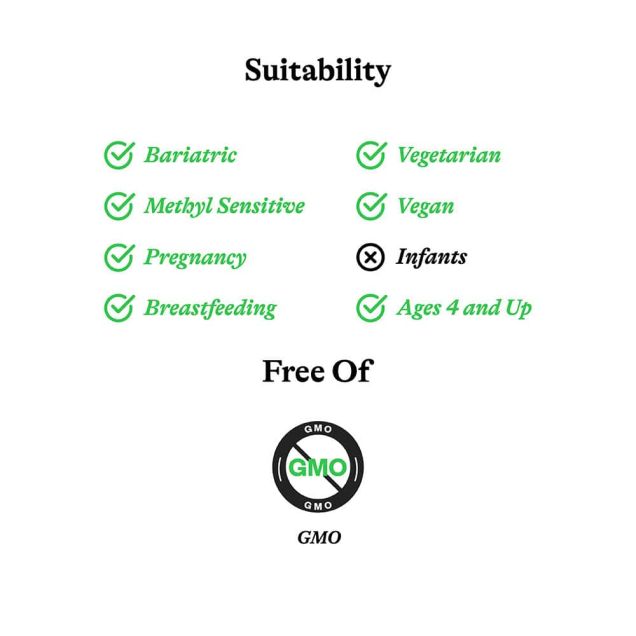
Is this suitable for vegetarians and vegans?
Yes. This formula uses plant-derived enzymes, making it suitable for all dietary preferences. It is also free from common allergens including dairy, eggs, and gluten.
Key Features
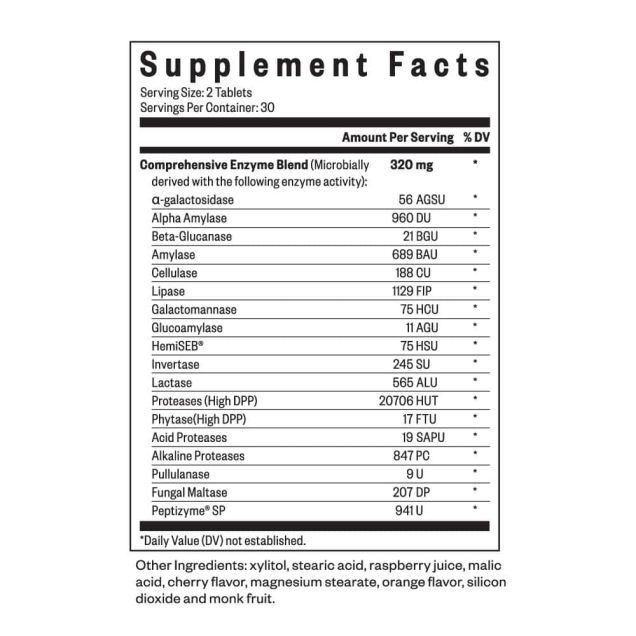
- Plant-based enzyme blend including protease, amylase, and lipase for multi-macronutrient support
- Chewable format for immediate enzyme activity and flexible dosing
- Room-temperature stable, no refrigeration required
- Straightforward formulation without fillers or unnecessary additives
Suggested Use
Take one chewable tablet with each meal, or as directed by your healthcare professional. Chew thoroughly before swallowing to maximise enzyme contact with food. For larger or heavier meals, some individuals take two tablets. If you are pregnant, nursing, or taking medications, consult your healthcare provider before use.
Ingredients (per tablet)
- Protease (plant-derived)
- Amylase (plant-derived)
- Lipase (plant-derived)
- Additional plant-based enzymes and supporting ingredients
Free from gluten, dairy, eggs, soy, and animal-derived ingredients.
Vegetarian and vegan suitable.
These statements have not been evaluated by the TGA. This product is not intended to diagnose, treat, cure, or prevent any disease.
| Weight | 0.1 kg |
|---|---|
| Dimensions | 7 × 7 × 11.2 cm |
| Shipping and Returns | Standard delivery times of 1-7 business days are to be expected. Free express delivery for orders over $175. No questions asked returns and refund within 30 days. |
| GTIN | 8.10008E+11 |
Brand
Seeking Health
Seeking Health Australia
Practitioner-grade supplements designed for clarity, tolerance, and individual needs Seeking Health is a practitioner-focused supplement brand developed to support individual nutritional needs with a strong emphasis on formulation clarity and tolerance. Founded by Dr Ben Lynch, Seeking Health is best known for its work in areas such as methylation, histamine balance, gut health, and immune support. The brand offers a broad range of supplements — from everyday nutritional foundations to more targeted products for people who don’t respond well to standard formulations. At Fairfield, we stock a wide selection of Seeking Health products used by practitioners and individuals who want more control and predictability in how supplements affect them.What makes Seeking Health different
Designed for people who don’t tolerate “standard” supplements well
Many supplements are formulated with the assumption that everyone responds the same way. In practice, this often isn’t true. Seeking Health products are commonly chosen by people who:- feel overstimulated by certain vitamins (especially B vitamins)
- react poorly to additives or excipients
- need more flexibility around dose and form
- want supplements that can be adjusted rather than “one-size-fits-all”
How to think about using Seeking Health products
The range naturally divides neatly into the categories we like to use:- foundational products that suit many people and can be used long-term
- targeted products designed for specific patterns, sensitivities, or short-term support
🟢 Foundational Seeking Health products
Suitable for many people, including longer-term use Foundational products are typically used to support:- baseline nutrient intake
- nervous system and muscle function
- digestion and fat absorption
- general immune and metabolic health
- Optimal Multivitamin – comprehensive daily nutrient support with careful balance
- Multivitamin One – simplified daily multivitamin for those wanting fewer ingredients
- Optimal Magnesium – well-tolerated magnesium support for muscles and nervous system
- Vitamin C Plus – foundational antioxidant and immune support
- Vitamin D3 – baseline vitamin D support when sun exposure is limited
- Vitamin D3 + K2 – combined fat-soluble vitamin support for bone and cardiovascular health
- Fish Oil – omega-3 fatty acids for general inflammatory balance
- Digestive Enzymes – broad-spectrum enzyme support to assist digestion
- Optimal Man – foundational nutrient support formulated for male health needs
🟡 Targeted Seeking Health products
Best used for specific sensitivities or clearer needs A large part of the Seeking Health range is designed for more specific situations, particularly where standard supplements haven’t worked well. Targeted products are commonly used to support areas such as:- histamine sensitivity or intolerance
- methylation-related nutrient needs
- immune regulation
- gut-related reactivity
- stress and neurotransmitter balance
- added on top of foundations
- used with clearer intent
- reassessed rather than taken indefinitely
A practical note on individual response
Seeking Health products are intentionally flexible — which means responses can vary. Some people notice benefits quickly. Others may need to:- adjust dose
- simplify what they’re taking
- allow more time between introducing products
Why buy Seeking Health from Fairfield
- Australian-based, stocked locally — dispatched from Melbourne
- Fast shipping on in-stock items (same-day dispatch when ordered before 2pm)
- Wide Seeking Health range available in Australia
- Clear, conservative guidance — we prioritise understanding over upselling
Seeking Health products available at Fairfield
Browse the Seeking Health products we stock below. If you’re new to the brand, many people begin with foundational support before exploring more targeted options as needed.