
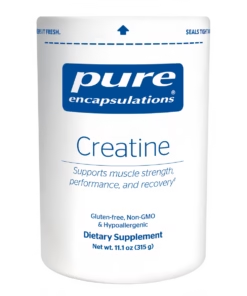


Pure Encapsulations Micronised Creatine Monohydrate – 315g
$54.50

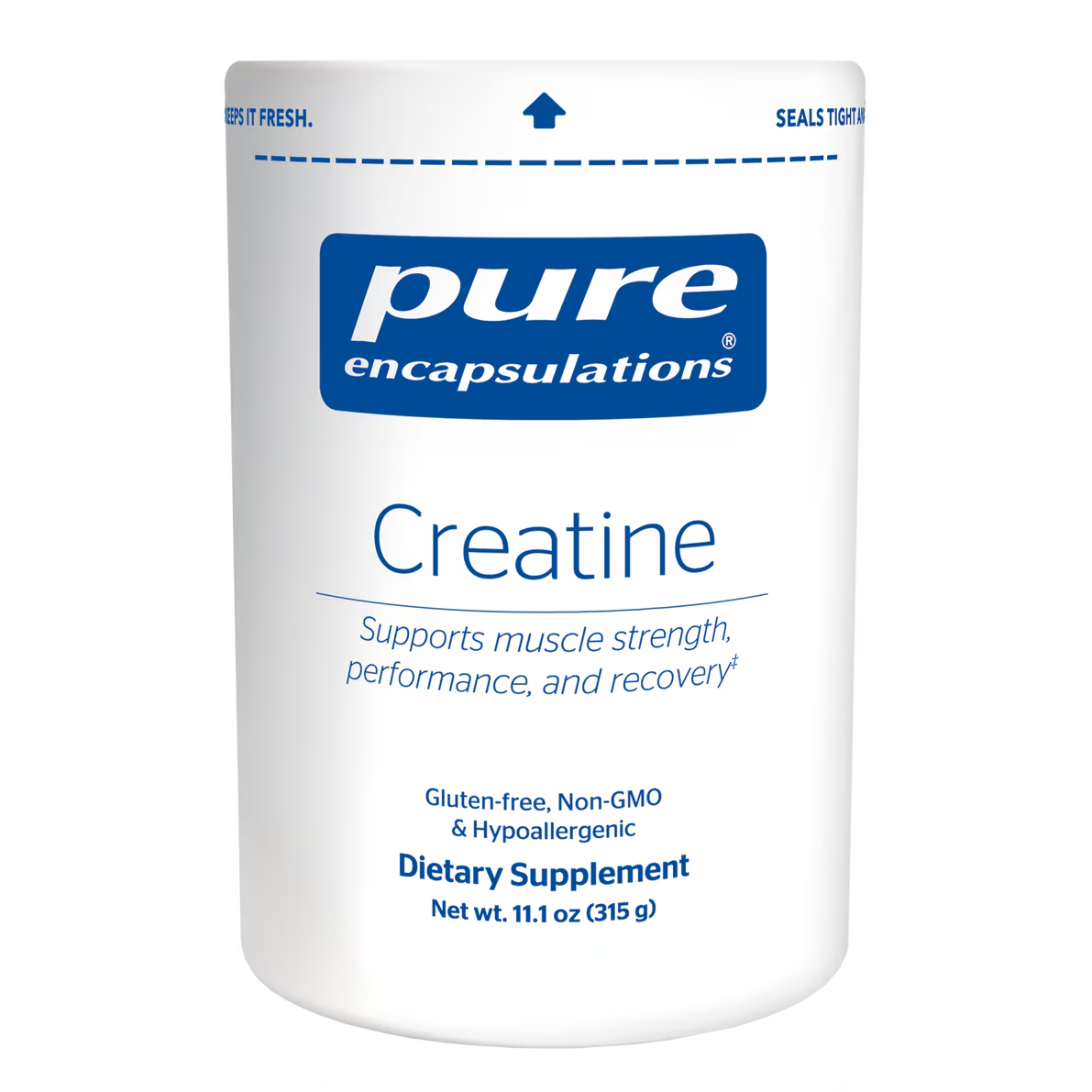
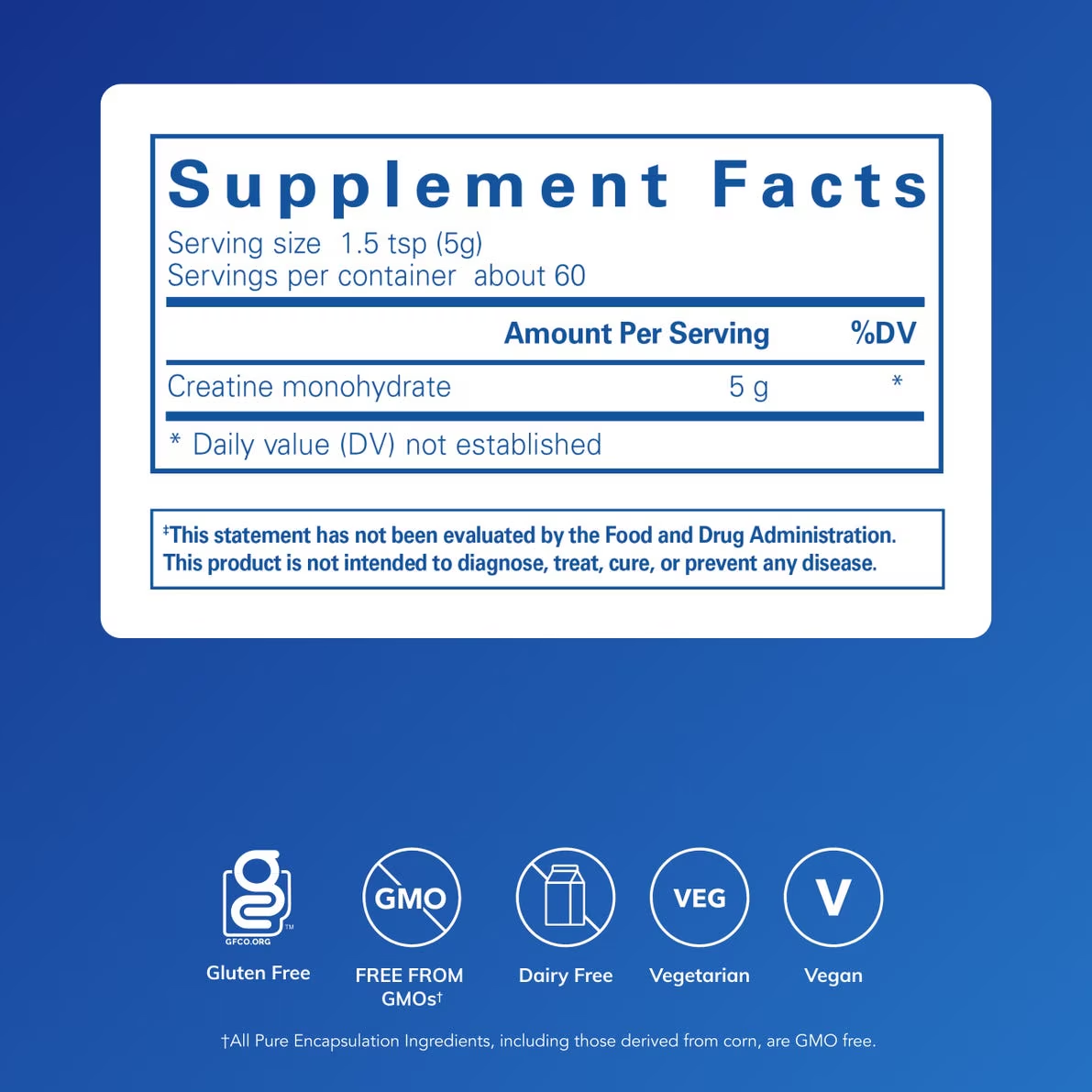
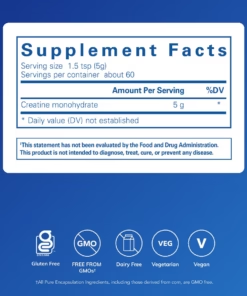
Creatine powder: Micronised creatine monohydrate, 3.75 g per 1½ teaspoon serve.
Pure Encapsulations unflavoured powder, 315 g (84 serves). No scoop included.
What is Pure Encapsulations Micronised Creatine Monohydrate?
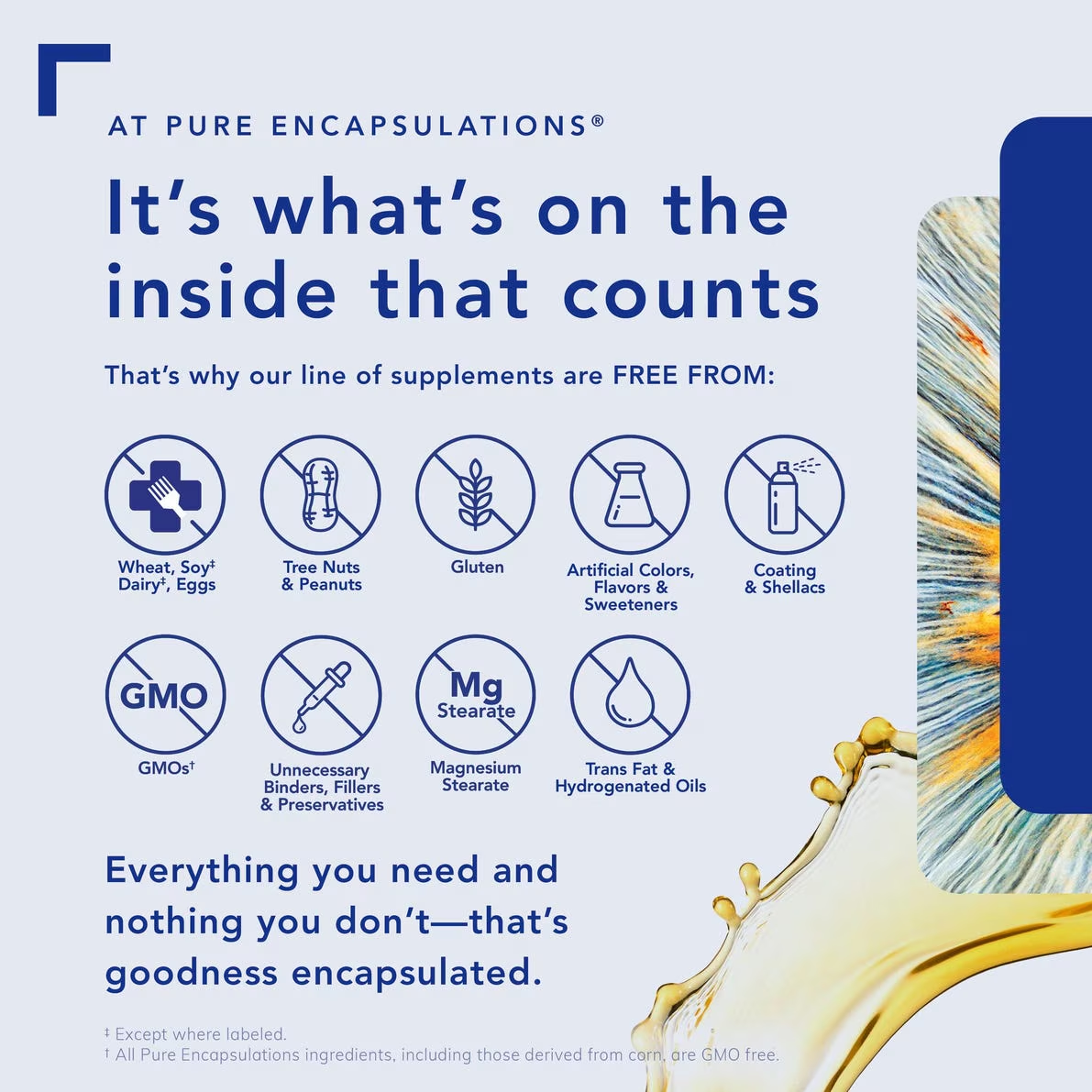
Pure Encapsulations Micronised Creatine Monohydrate is an unflavoured powder providing 3.75 g of micronised creatine monohydrate per 1½ teaspoon (approximately 3.75 g) serve. The 315 g container yields approximately 84 serves. It contains no artificial colours, sweeteners, fillers, binders, preservatives, magnesium stearate, gluten, soy, dairy, eggs, tree nuts, peanuts, sesame, GMOs, trans fats or hydrogenated oils. Made with vegetarian ingredients. No scoop is included; Pure Encapsulations recommends using a standard kitchen teaspoon.
Fairfield Nutrition Thoughts
Pure Encapsulations Micronised Creatine Monohydrate is a single-ingredient, unflavoured powder with no fillers, binders, artificial additives, magnesium stearate, gluten, soy, dairy or GMOs. The 315 g container provides approximately 84 serves at the manufacturer’s stated 1½ teaspoon serve size. No scoop is included; a standard kitchen teaspoon is recommended for measuring.
Why This Formulation / How It Works
Most creatine products on the market are monohydrate, but quality varies considerably. Pure Encapsulations uses micronised creatine monohydrate, meaning the particles are ground to a finer size than standard powder. This improves dissolution in liquid and may be easier on the digestive system for those who find coarser creatine powders cause discomfort. The formula contains no artificial colours, sweeteners, binders, fillers, magnesium stearate, gluten, or common allergens, which matters if you’re already managing a supplement stack and want to keep your inputs clean.
There’s no loading phase required at the recommended 3 to 5 gram daily dose. Creatine levels in muscle tissue will typically rise over three to four weeks and then plateau, which is consistent with how the research protocols are structured.
Role in Cellular Energy Pathways
In muscle tissue, creatine is stored as phosphocreatine, which acts as a rapidly available reserve of high-energy phosphate. During short, intense bursts of activity, phosphocreatine donates its phosphate group to ADP, regenerating ATP. This is the primary energy currency of muscle contraction, and the faster this regeneration happens, the more work a muscle can sustain before fatigue sets in. This process operates independently of oxygen, which is why creatine is particularly relevant for anaerobic and high-intensity efforts.
Role in Muscle Glycogen and Growth Factor Signalling
Beyond acute energy availability, creatine is involved in glycogen storage within muscle tissue and has been shown in research to promote growth factor signalling pathways associated with muscle adaptation to training. This is why the research consistently shows greater gains in muscle mass and strength when creatine supplementation is combined with resistance training, compared to resistance training alone.
When to Consider This
This formulation provides creatine support for athletic and active adults. It makes sense if you’re:
- Engaged in strength or resistance training and want to support muscle performance and recovery through a well-researched single-ingredient supplement.
- Involved in sports requiring repeated high-intensity efforts, sprints, or power output where short-duration energy availability matters.
- A vegetarian or someone with lower meat intake, since creatine is found primarily in animal muscle tissue and dietary intake may be lower as a result.
- Already using a multi-ingredient pre-workout and want to understand how much creatine you’re actually getting, or prefer to dose it separately for more control.
Supplement strategy: Creatine works best when foundational nutrition is in place, adequate protein, consistent training, and sufficient caloric intake. Many people introduce creatine once their training programme is established rather than at the beginning, as the benefits are most apparent with consistent resistance or high-intensity work.
⚠️ Not suitable for: Persons under 18 years of age, those with kidney disease, pregnant or breastfeeding individuals without prior consultation with a healthcare practitioner.
How to Use
Mix 1½ teaspoons (approximately 3.75 g) into 240 mL (8 oz) of water or a beverage of your choice. For best results, take with a carbohydrate-containing beverage or food 30 minutes before exercise, or immediately following exercise. On rest days, take one serve daily with a meal. Take with adequate daily fluid intake. No scoop is included — use a standard kitchen teaspoon. As directed by your healthcare practitioner.
Ingredients
Per 1½ teaspoon serve (approximately 3.75 g):
Creatine monohydrate (micronised) — 3.75 g
No other ingredients.
Free from: wheat, gluten, soy, dairy, eggs, tree nuts, peanuts, sesame, artificial colours, artificial sweeteners, coatings, shellacs, GMOs, unnecessary binders, fillers, preservatives, magnesium stearate, trans fats and hydrogenated oils. Made with vegetarian ingredients.
Allergen information: Free from the listed common allergens as stated by the manufacturer.
Common Questions
Does this come with a scoop?
No. Pure Encapsulations does not include a plastic scoop. The manufacturer recommends measuring 1½ teaspoons using a standard kitchen teaspoon.
Can this be mixed into drinks other than water?
Yes. The manufacturer states it can be mixed into a beverage of your choice.
How should this be stored?
Store in a cool, dry place.
Is this suitable for vegetarians?
Yes. Pure Encapsulations states it is made with vegetarian ingredients.
Warnings & Storage
Do not use if: Under 18 years of age. Consult your healthcare practitioner before use if pregnant, lactating, taking medication, or if you have any health condition including kidney disease.
Storage: Store in a cool, dry place.
Always read the label and follow the directions for use.
| Weight | .37 kg |
|---|---|
| Dimensions | 9 × 9 × 14 cm |
| GTIN | 9.35E+12 |