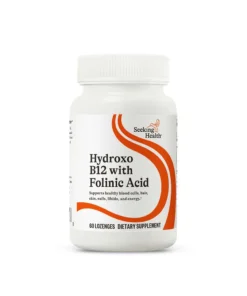

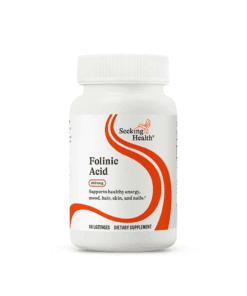


Seeking Health Folinic Acid – 60 Lozenges
$37.50

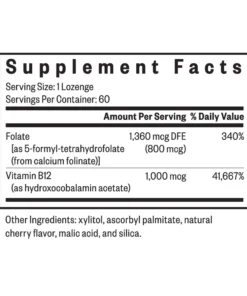
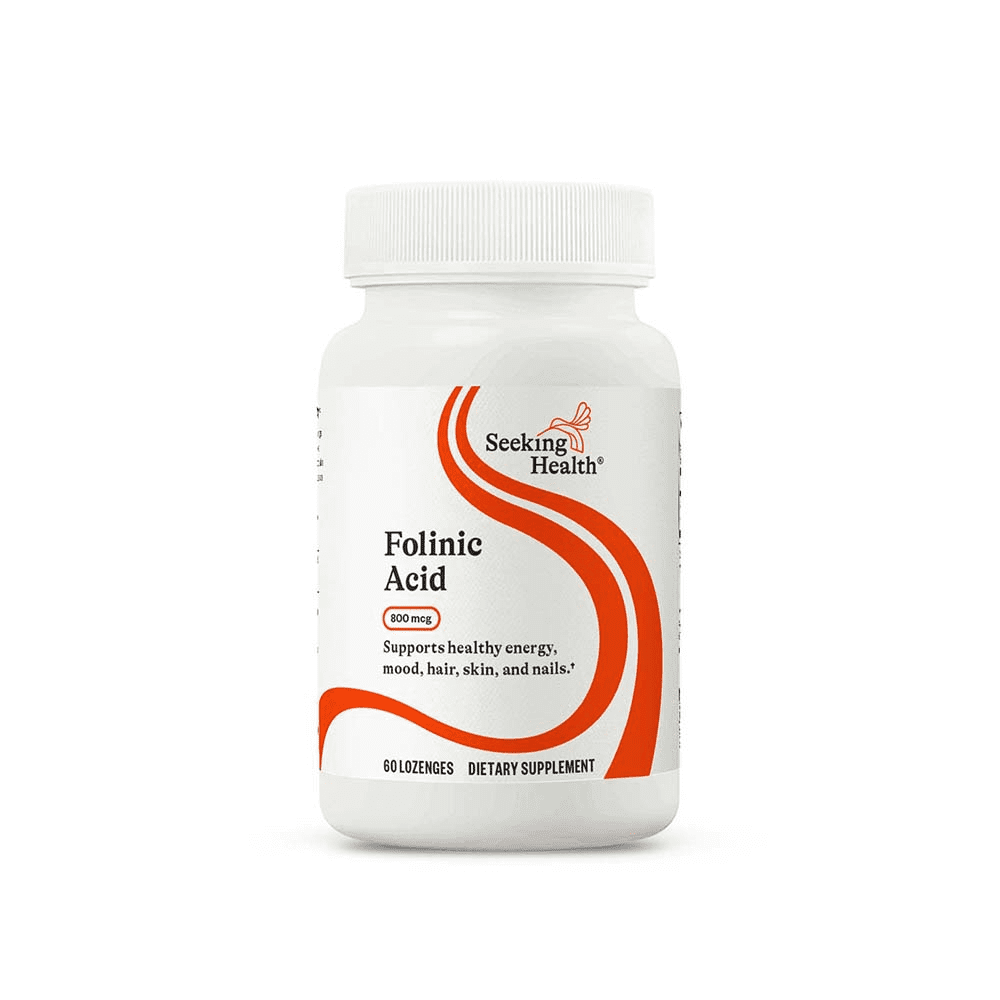
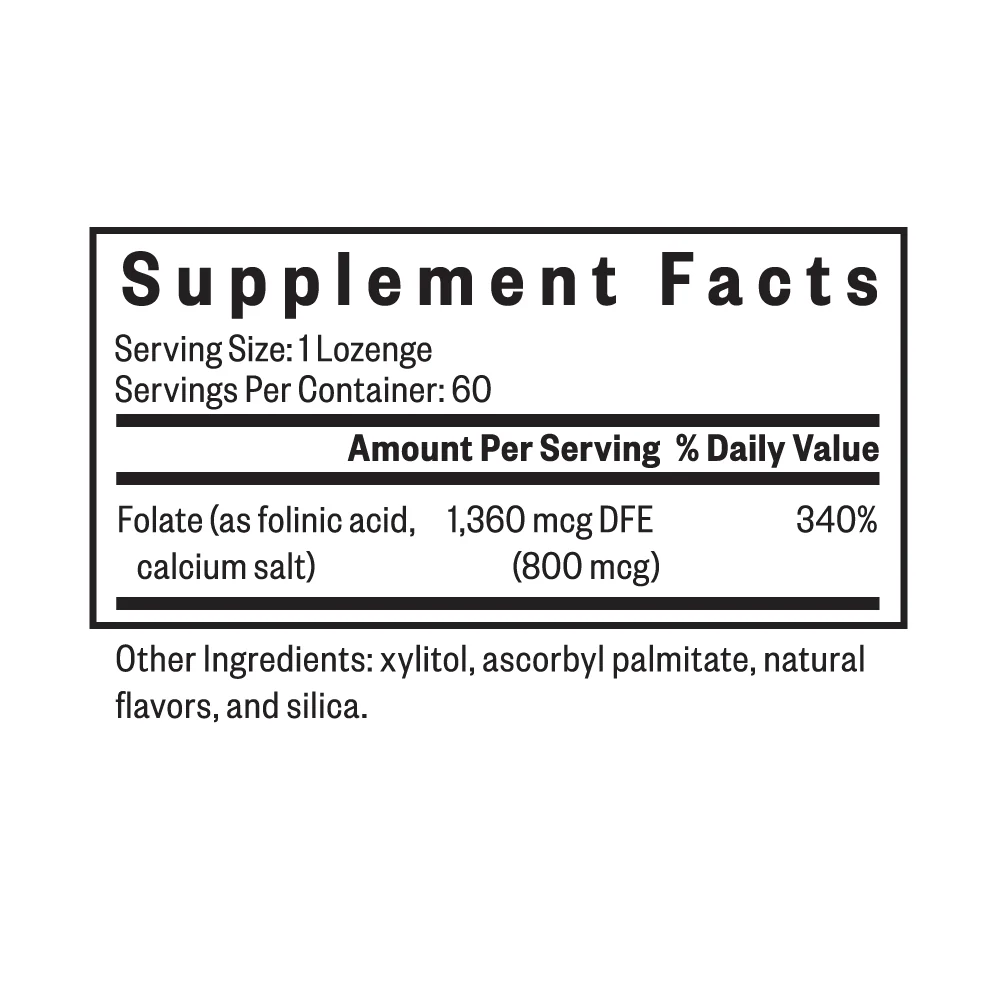
Folinic acid (800 mcg) in a lozenge form, providing 1,360 mcg DFE of methyl-free folate per serving.
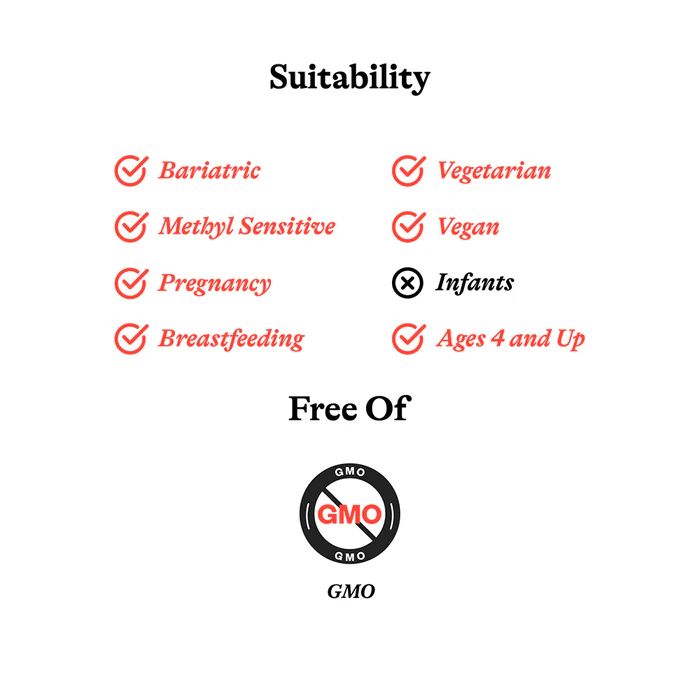
Formulated for individuals sensitive to methylated nutrients who require folate supplementation, unlike methylfolate which can trigger headaches and nervousness in sensitive individuals, folinic acid converts gradually through additional enzyme steps before methyl groups are formed.
In stock
Ships same business day from Melbourne (orders before 2pm)

Christmas & Holiday Dispatch
Same-day dispatch on all orders placed before 2pm (Mon–Fri).
We’re sending orders every day over Christmas, except Christmas Eve and public holidays.
Enjoy Free Express shipping on orders over $175 - we recommend Express during the festive period.
What is Folinic Acid and who is it for?
Folinic acid is a bioavailable form of folate that bypasses the initial methylation step, making it ideal for individuals who experience sensitivity to methylated nutrients like methylfolate. Unlike methylfolate, which delivers an active methyl group immediately, folinic acid requires additional enzymatic conversion before methyl groups are released, creating a gentler, more gradual introduction of folate into your system. This product is designed for anyone requiring folate supplementation who has experienced side effects (headaches, nervousness, rapid heartbeat) from standard methylated supplements, as well as those seeking to support normal methylation, homocysteine levels, and cognitive function without the intensity of pre-methylated forms.
The lozenge format dissolves in the mouth, allowing for direct absorption through oral tissues and bypassing potential digestive barriers that can interfere with folate utilisation in sensitive individuals.
Fairfield Nutrition Thoughts
In our clinic experience, approximately 15-20% of clients report adverse reactions to methylfolate, yet they absolutely require folate support for methylation, energy production, and neurological health. Rather than abandoning supplementation or forcing a problematic form, folinic acid offers a middle path: it’s a real folate that your body recognises and converts on its own timeline, without the “too much, too fast” effect that methylfolate can trigger in sensitive individuals.
Seeking Health’s supplies folinic acid in a lozenge which provides enhanced absorption through oral mucosa, and it tastes good too.
Why choose folinic acid instead of methylfolate or folic acid?
The choice between folate forms depends entirely on individual tolerance and methylation capacity. Standard folic acid (the synthetic form in fortified foods and basic supplements) requires enzymatic conversion in the liver and is less bioavailable, particularly in individuals with MTHFR variants or impaired liver function. Methylfolate (5-MTHF) is the active, tissue-ready form, but for sensitive individuals, it delivers too much active methyl group too quickly, triggering neurological side effects.
Folinic acid occupies the middle ground. It is a naturally occurring form found in foods (leafy greens, legumes, organ meats) and is immediately bioavailable without liver conversion. However, it requires a few additional enzymatic steps before releasing methyl groups into your system. This means your body controls the pace of methylation support, reducing the likelihood of overstimulation while still providing genuine folate activity. For individuals with MTHFR variants, methylation sensitivity, or those recovering from methylfolate reactions, folinic acid often provides the therapeutic benefit without the adverse effects.
How does it work?
Think of folate metabolism as a relay race. Folic acid is handed off at the starting line and requires multiple handoffs (enzymatic conversions) before it’s ready to run. Methylfolate is already at the finish line, sprinting at full speed. Folinic acid is partway through the race—it’s active and moving forward, but your body controls the pace rather than receiving an already-methylated surge.
Immediate bioavailability without pre-methylation: Folinic acid is absorbed directly and does not require the liver’s MTHFR enzyme to convert it into a usable form. This is why it works well for individuals with MTHFR variants or compromised liver function. The lozenge format enhances this further by allowing absorption through oral mucosa, which bypasses some of the digestive barriers that can reduce folate uptake.
Controlled methyl group release: Once absorbed, folinic acid is converted to tetrahydrofolate (THF), the active form that participates in one-carbon metabolism. From there, your body’s own enzymes decide when and how much methyl groups are released for methylation reactions. This self-paced conversion is why sensitive individuals tolerate it better than pre-methylated forms.
Support for methylation pathways: Folinic acid feeds into the same methylation pathways as methylfolate, supporting the synthesis of neurotransmitters, DNA, phospholipids, and myelin. It also helps maintain healthy homocysteine levels by supporting the methionine cycle, a critical metabolic pathway for energy production and neurological health.
What can this support?
This formula provides nutritional support for:
Methylation sensitivity recovery: If you’ve experienced adverse reactions to methylfolate, folinic acid allows you to continue supporting your methylation pathways without triggering symptoms. Many practitioners use folinic acid as a transitional form while supporting methylation capacity.
MTHFR variant support: Individuals with MTHFR C677T or A1298C variants often benefit from folinic acid because it does not require the MTHFR enzyme to become bioavailable, reducing metabolic strain.
Cognitive and mood support: Folate is required for the synthesis of neurotransmitters including serotonin, dopamine, and noradrenaline. Adequate folate status supports normal mood, focus, and cognitive clarity.
Energy production: One-carbon metabolism, which depends on folate, is essential for ATP synthesis and mitochondrial function. Supporting folate status helps maintain normal energy production at the cellular level.
Pregnancy and preconception health: Folate is critical for normal DNA synthesis, cell division, and neural tube development. Adequate folate status prior to and during pregnancy supports normal fetal development and reduces the risk of neural tube defects.
Common questions
Will folinic acid work if I’ve had bad reactions to methylfolate?
For most individuals who experience methylfolate sensitivity, yes. The slower enzymatic conversion of folinic acid means your body releases methyl groups at a pace it can tolerate. However, sensitivity varies. Some individuals benefit from starting with a lower dose (half a lozenge) and titrating upward slowly to assess tolerance. If you’ve had severe reactions, consult with your practitioner before starting any folate form.
How is folinic acid different from folic acid?
Folic acid is the synthetic form used in fortified foods and basic supplements. It requires enzymatic conversion in the liver before your body can use it. Folinic acid is a naturally occurring form that is immediately bioavailable and does not depend on the MTHFR enzyme. Folinic acid is also more readily absorbed and utilised than folic acid.
Can I take folinic acid if I don’t have MTHFR variants?
Yes. Folinic acid is a legitimate, bioavailable folate form suitable for anyone requiring folate supplementation. You do not need to have MTHFR variants or methylation sensitivity to benefit from it. It is an excellent choice for general folate support, particularly if you prefer to avoid pre-methylated forms.
How long does it take to see a change in folate levels?
Folate status can shift within 2-4 weeks with consistent supplementation, though individual variation is significant. Some individuals, particularly those with poor baseline absorption or methylation capacity, may take 6-8 weeks to see meaningful changes in blood folate levels. Regular testing through your practitioner can help track progress.
Can I combine folinic acid with other B vitamins?
Yes. Folinic acid works synergistically with other B vitamins, particularly B12, B6 (P5P), and choline, all of which support methylation pathways. Many practitioners recommend a comprehensive B complex alongside folinic acid for optimal one-carbon metabolism support. Avoid combining with methylfolate or high-dose folic acid simultaneously.
Is the lozenge format as effective as capsules?
The lozenge format is arguably more effective for folate absorption. By dissolving in the mouth, folinic acid can be absorbed directly through oral mucosa, bypassing some of the digestive barriers that reduce folate uptake. This is why many individuals report better folate status improvement with lozenges compared to capsules or tablets.
Key Features
- Folinic acid (800 mcg per lozenge, 1,360 mcg DFE) in a methyl-free, bioavailable form
- Lozenge delivery system for enhanced absorption through oral mucosa
- Naturally occurring folate form that does not require MTHFR enzyme conversion
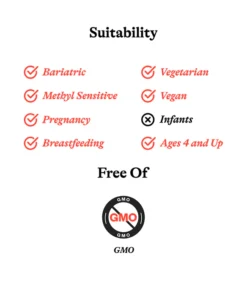
- Suitable for individuals sensitive to methylated nutrients like methylfolate
- Supports normal methylation pathways, homocysteine metabolism, and cognitive function
- Convenient format for individuals who struggle with capsule burden
Suggested Use
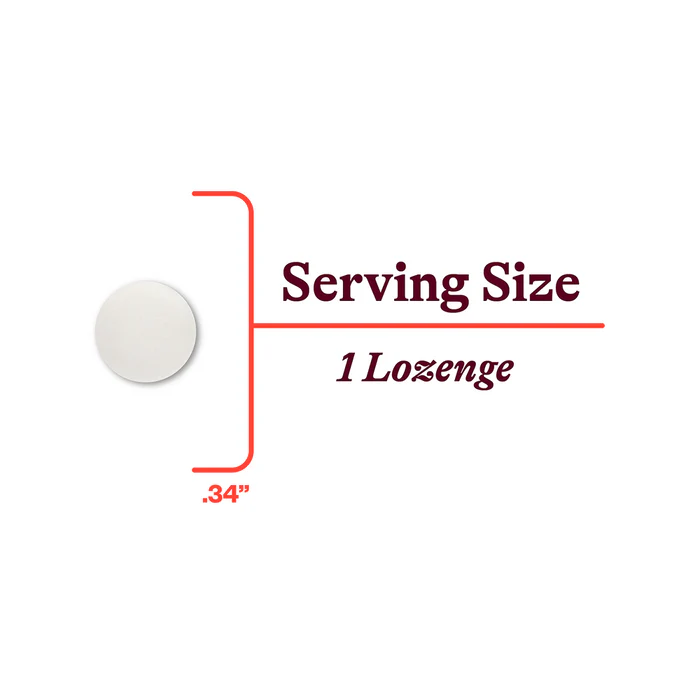
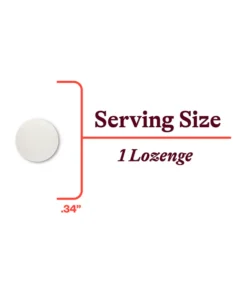
Take one lozenge daily, or as directed by your healthcare practitioner. Allow the lozenge to dissolve in the mouth for optimal absorption. If you are new to folinic acid or have a history of methylation sensitivity, consider starting with half a lozenge daily and gradually increasing to a full lozenge as tolerated. Do not exceed recommended dosage without practitioner guidance.
Ingredients (per Lozenge)
- Folinic Acid (Calcium Folinate) – 800 mcg (1,360 mcg DFE)
Other Ingredients: Xylitol, Cellulose, Stearic Acid, Silica, Natural Flavours.
Free from: Gluten, dairy, soy, artificial sweeteners, and major allergens.
These statements have not been evaluated by the TGA. This product is not intended to diagnose, treat, cure, or prevent any disease.
| Weight | 0.04 kg |
|---|---|
| Suggested Use | Take 1 capsule, as needed, just prior to consuming high histamine foods or drinks. Or, take away from food if wanting to support healthy histamine levels in the digestive tract. Use as directed by your healthcare professional. Do not take this supplement and knowingly eat foods you are allergic to – it will not prevent allergic reactions. |
| Warnings | Children and pregnant or lactating women should consult their healthcare practitioner prior to use. This product contains an ingredient derived from porcine (pig). Avoid if allergic to pork or any other ingredient. Histamine Block is NOT EFFECTIVE for symptoms of immune-related food allergies, such as peanuts, shellfish, etc., or for gluten intolerance due to sensitivity or celiac disease. DAO is not absorbed and does not have systemic activity. Histamine Block does not manage or address antibody-related or IgE-related food allergies. |
Brand
Seeking Health
Seeking Health Australia
Practitioner-grade supplements designed for clarity, tolerance, and individual needs Seeking Health is a practitioner-focused supplement brand developed to support individual nutritional needs with a strong emphasis on formulation clarity and tolerance. Founded by Dr Ben Lynch, Seeking Health is best known for its work in areas such as methylation, histamine balance, gut health, and immune support. The brand offers a broad range of supplements — from everyday nutritional foundations to more targeted products for people who don’t respond well to standard formulations. At Fairfield, we stock a wide selection of Seeking Health products used by practitioners and individuals who want more control and predictability in how supplements affect them.What makes Seeking Health different
Designed for people who don’t tolerate “standard” supplements well
Many supplements are formulated with the assumption that everyone responds the same way. In practice, this often isn’t true. Seeking Health products are commonly chosen by people who:- feel overstimulated by certain vitamins (especially B vitamins)
- react poorly to additives or excipients
- need more flexibility around dose and form
- want supplements that can be adjusted rather than “one-size-fits-all”
How to think about using Seeking Health products
The range naturally divides neatly into the categories we like to use:- foundational products that suit many people and can be used long-term
- targeted products designed for specific patterns, sensitivities, or short-term support
🟢 Foundational Seeking Health products
Suitable for many people, including longer-term use Foundational products are typically used to support:- baseline nutrient intake
- nervous system and muscle function
- digestion and fat absorption
- general immune and metabolic health
- Optimal Multivitamin – comprehensive daily nutrient support with careful balance
- Multivitamin One – simplified daily multivitamin for those wanting fewer ingredients
- Optimal Magnesium – well-tolerated magnesium support for muscles and nervous system
- Vitamin C Plus – foundational antioxidant and immune support
- Vitamin D3 – baseline vitamin D support when sun exposure is limited
- Vitamin D3 + K2 – combined fat-soluble vitamin support for bone and cardiovascular health
- Fish Oil – omega-3 fatty acids for general inflammatory balance
- Digestive Enzymes – broad-spectrum enzyme support to assist digestion
- Optimal Man – foundational nutrient support formulated for male health needs
🟡 Targeted Seeking Health products
Best used for specific sensitivities or clearer needs A large part of the Seeking Health range is designed for more specific situations, particularly where standard supplements haven’t worked well. Targeted products are commonly used to support areas such as:- histamine sensitivity or intolerance
- methylation-related nutrient needs
- immune regulation
- gut-related reactivity
- stress and neurotransmitter balance
- added on top of foundations
- used with clearer intent
- reassessed rather than taken indefinitely
A practical note on individual response
Seeking Health products are intentionally flexible — which means responses can vary. Some people notice benefits quickly. Others may need to:- adjust dose
- simplify what they’re taking
- allow more time between introducing products
Why buy Seeking Health from Fairfield
- Australian-based, stocked locally — dispatched from Melbourne
- Fast shipping on in-stock items (same-day dispatch when ordered before 2pm)
- Wide Seeking Health range available in Australia
- Clear, conservative guidance — we prioritise understanding over upselling
Seeking Health products available at Fairfield
Browse the Seeking Health products we stock below. If you’re new to the brand, many people begin with foundational support before exploring more targeted options as needed.