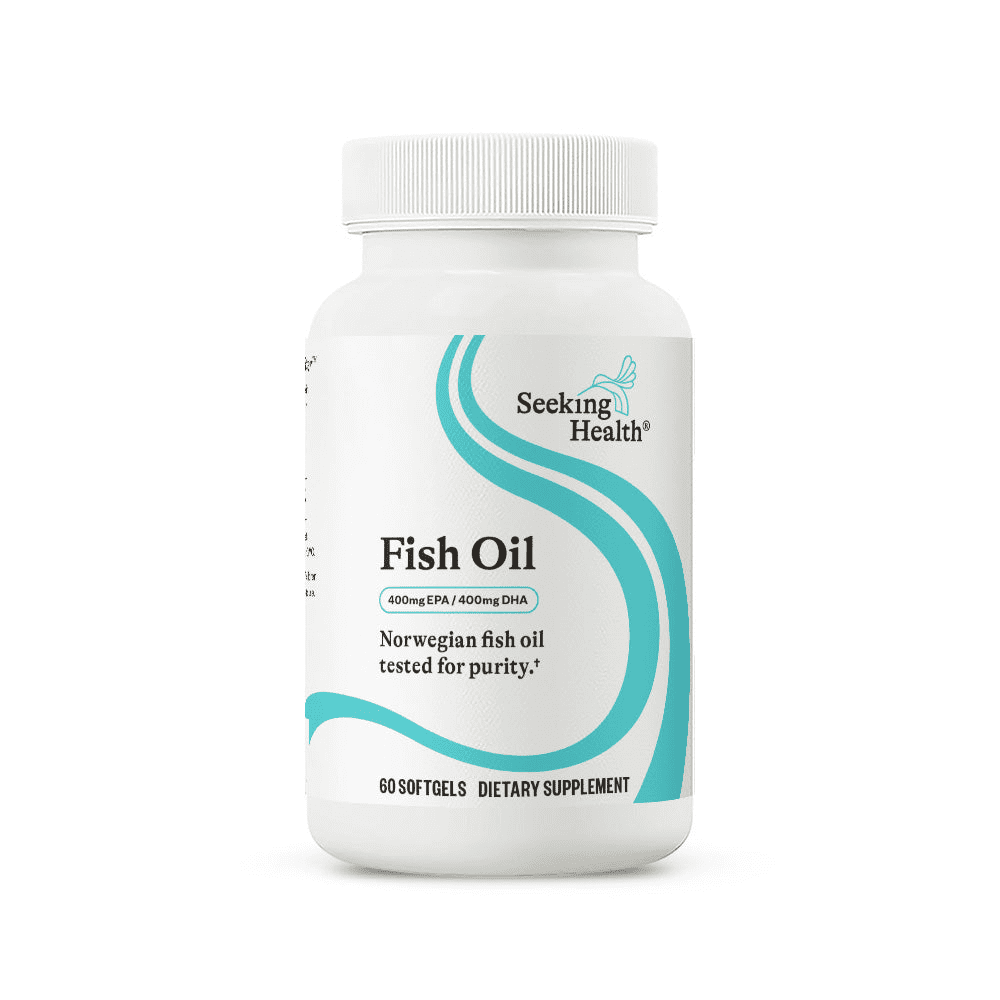




Seeking Health Norwegian Fish Oil – 60 softgels
Original price was: $62.80.$53.20Current price is: $53.20.

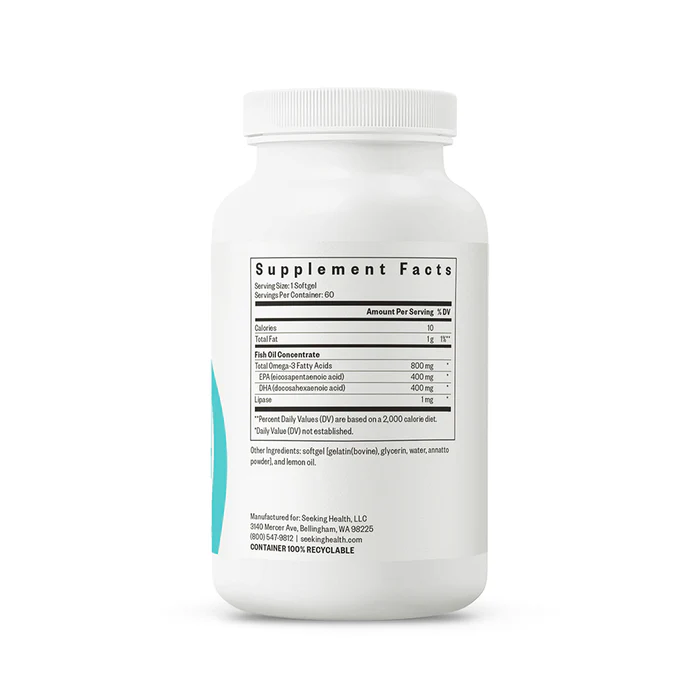
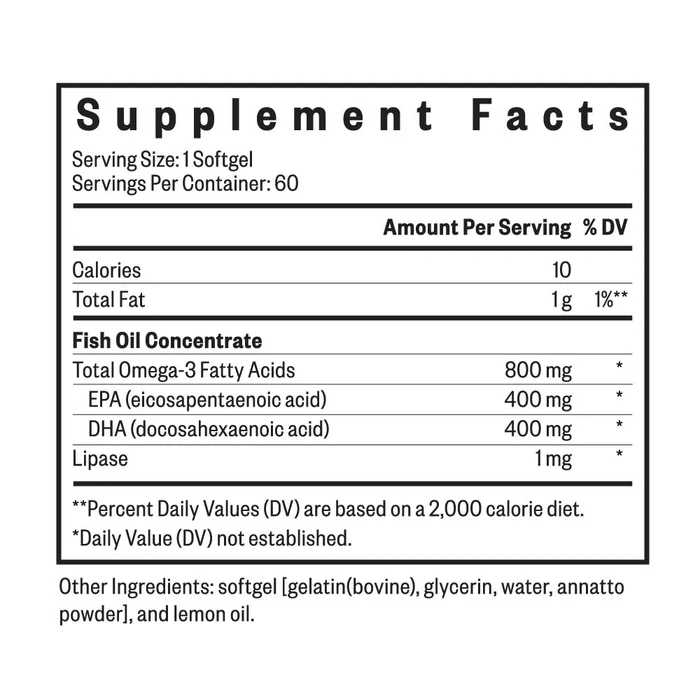
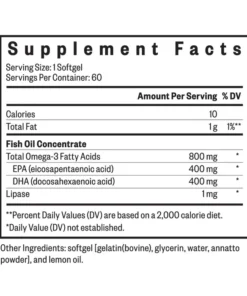
Fish oil concentrate providing 1,000mg per softgel, delivering a substantial 600mg EPA and 400mg DHA from Norwegian anchovy and sardine sources in triglyceride form.
Only 1 left in stock
What is Seeking Health Norwegian Fish Oil and who is it for?
Seeking Health Norwegian Fish Oil is a concentrated omega-3 supplement derived from cold-water fish, designed for individuals seeking to support cardiovascular, neurological, and inflammatory response health through dietary omega-3 fatty acids. This product is particularly suited to those following a Functional Medicine approach who want to ensure adequate EPA and DHA intake without relying solely on dietary sources, or for individuals with limited access to fresh fatty fish.
Norwegian fish oil has been a cornerstone of nutritional support in Northern European populations for generations, reflecting both traditional wisdom and modern nutritional science. This product is ideal for anyone looking to maintain normal cardiovascular function, support cognitive clarity, or provide foundational nutritional support for systemic wellness.
Fairfield Nutrition Thoughts
We selected Seeking Health’s Norwegian Fish Oil because it represents a practitioner-grade approach to omega-3 supplementation without the marketing hype. In Functional Medicine, we recognise that omega-3 and omega-6 balance is foundational to normal inflammatory response and cellular signalling. Most Australians consume excessive omega-6 from seed oils, creating a ratio imbalance that affects everything from cardiovascular function to mood stability.
Seeking Health’s formulation reflects Dr. Ben Lynch’s philosophy: clean, well-sourced ingredients without unnecessary additives. Omega 3s pair well with foundational minerals like magnesium and vitamin D, creating a synergistic nutritional foundation.
Why choose Norwegian fish oil over other omega-3 sources?
Norwegian waters produce some of the most nutrient-dense cold-water fish available. The cold temperatures force fish to synthesise higher concentrations of EPA and DHA as a survival mechanism, making Norwegian-sourced fish oil naturally more concentrated than tropical alternatives. Additionally, Norway has some of the world’s strictest fishing regulations and sustainability standards, meaning you’re receiving a product that reflects both nutritional density and environmental responsibility.
Unlike plant-based omega-3 sources (flax, chia, algae), fish oil delivers EPA and DHA in their pre-formed state, meaning your body does not need to convert them from ALA. This distinction matters significantly for individuals with genetic variations affecting conversion enzymes (FADS1/FADS2), those with compromised digestive function, or anyone seeking the most direct nutritional support. Whereas vegan omega-3 sources require enzymatic conversion with variable efficiency, fish oil provides immediately bioavailable EPA and DHA.
How does it work?
Think of omega-3 fatty acids as flexible building blocks for your cell membranes. While omega-6 fatty acids (abundant in modern diets) create rigid, inflammatory-prone membranes, omega-3s create fluid, responsive membranes that communicate effectively with neighbouring cells. This fluidity is especially critical in the brain, cardiovascular system, and immune tissues, where cellular signalling determines normal function.
Membrane Structure and Cellular Communication: EPA and DHA integrate into cell membranes throughout your body, particularly in the brain (which is approximately 60% fat by dry weight). This structural role affects how cells receive signals, transport nutrients, and maintain electrical integrity. Adequate omega-3 levels support normal neurological function, cardiovascular rhythm, and immune cell responsiveness.
Eicosanoid Production: Your body converts EPA and DHA into signalling molecules called eicosanoids, which regulate inflammatory responses at the cellular level. Unlike non-selective anti-inflammatory approaches, omega-3 derived eicosanoids support the body’s natural ability to mount appropriate inflammatory responses and resolve them efficiently, rather than suppressing inflammation indiscriminately.
Gene Expression and Metabolic Function: Omega-3 fatty acids influence the expression of genes involved in lipid metabolism, mitochondrial function, and metabolic flexibility. This means adequate omega-3 intake supports your body’s ability to switch between fuel sources efficiently and maintain healthy energy production across different metabolic states.
What can this support?
Seeking Health Norwegian Fish Oil provides nutritional support for:
Cardiovascular Health: EPA and DHA support normal blood viscosity, healthy triglyceride levels, and normal vascular endothelial function, forming a nutritional foundation for long-term cardiovascular wellness.
Neurological Function and Cognitive Clarity: The brain’s reliance on DHA for structural integrity and synaptic plasticity makes omega-3 supplementation particularly relevant for individuals seeking to maintain cognitive sharpness, focus, and mental clarity throughout life.
Normal Inflammatory Response: By providing the raw materials for anti-inflammatory eicosanoid production, fish oil supports your body’s ability to maintain healthy inflammatory balance and resolve acute inflammatory episodes efficiently.
Mood Stability and Emotional Resilience: The brain’s neurotransmitter systems depend on adequate omega-3 levels for normal serotonin and dopamine signalling, making fish oil a foundational nutritional support for emotional stability and stress resilience.
Joint and Connective Tissue Health: Omega-3s support normal inflammatory responses in joints and connective tissues, providing nutritional support for individuals engaged in regular physical activity or those seeking to maintain mobility and flexibility.
Metabolic and Mitochondrial Function: By supporting mitochondrial membrane integrity and metabolic gene expression, fish oil contributes to healthy energy production and metabolic flexibility, particularly important during periods of dietary change or increased physical demand.
Common questions
Will fish oil make me “taste fishy” or cause fish burps?
Quality Norwegian fish oil, particularly when stored properly and consumed with food, rarely causes this issue. Seeking Health’s formulation and sourcing standards minimise oxidation, which is the primary cause of unpleasant aftertaste. Taking capsules with meals and ensuring consistent daily use (rather than sporadic dosing) further reduces this concern.
How does this compare to prescription omega-3 medications?
Prescription omega-3 products contain concentrated EPA and DHA at pharmaceutical doses, whereas this supplement provides nutritional support through food-form concentrations. Both have their place: pharmaceutical doses address specific clinical needs, while nutritional supplementation supports foundational health maintenance. Many practitioners recommend starting with quality fish oil supplementation before considering pharmaceutical options.
Can I take this if I’m on blood-thinning medications?
This is a question for your healthcare provider or Functional Medicine practitioner, as individual circumstances vary. Fish oil has mild anticoagulant properties, and combining it with certain medications requires professional oversight. We recommend consulting with your practitioner before starting any new supplement regimen.
Why not just eat more salmon?
Wild-caught salmon is an excellent omega-3 source, but most Australians don’t consume adequate quantities consistently. Additionally, farmed salmon contains lower omega-3 levels than wild varieties, and the cost of daily wild salmon consumption is prohibitive for most people. Fish oil supplementation provides a practical, cost-effective way to ensure adequate EPA and DHA intake alongside dietary sources.
How long does it take to notice benefits?
Omega-3 integration into cell membranes occurs gradually over weeks to months. Most people don’t notice acute “effects,” but rather experience subtle improvements in mental clarity, mood stability, or joint comfort over 4-8 weeks of consistent use. This is normal and reflects the foundational nature of omega-3 support rather than acute therapeutic action.
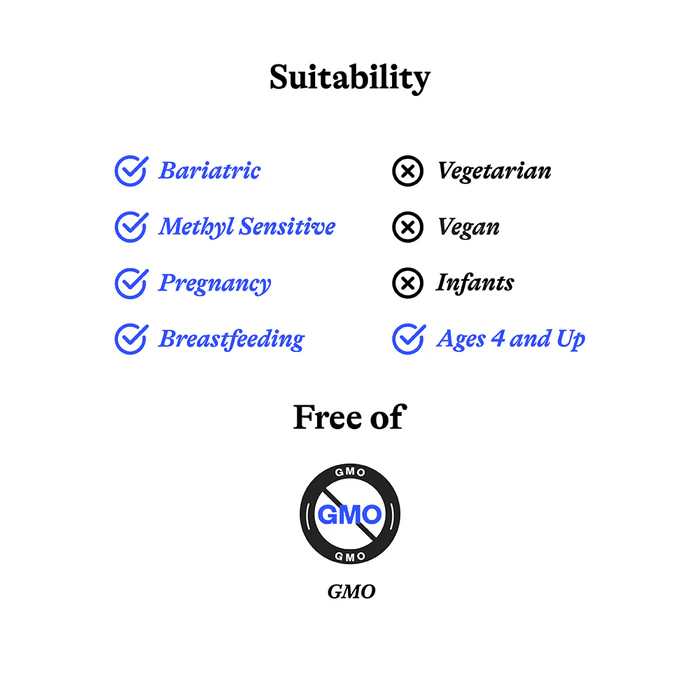
Is this product suitable for vegetarians or vegans?
No, this product is fish-derived and not suitable for vegetarian or vegan diets. Individuals following plant-based approaches may consider algae-derived omega-3 supplements as an alternative, though conversion efficiency differs.
Key Features
- Norwegian-sourced fish oil from cold-water species, naturally concentrated in EPA and DHA
- Sourced from sustainable fisheries meeting strict environmental standards
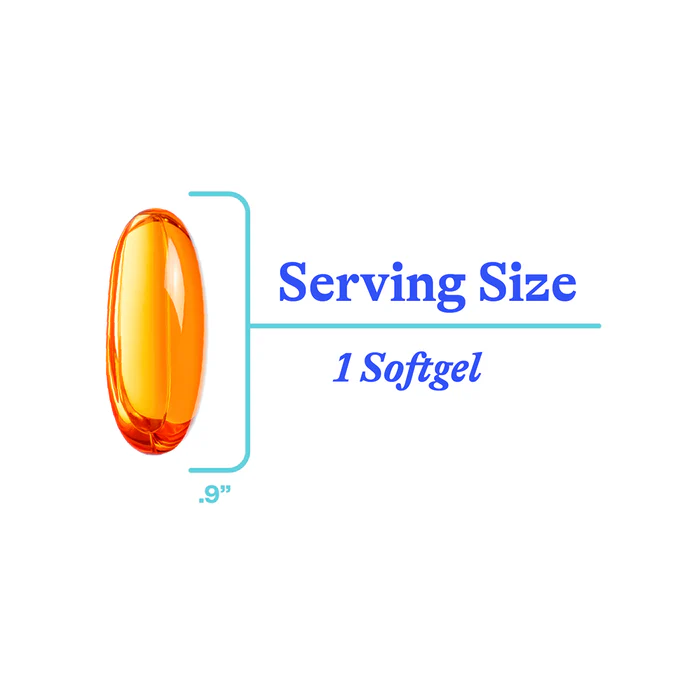
- 60 softgel serving size providing approximately 30 days of daily support
Suggested Use
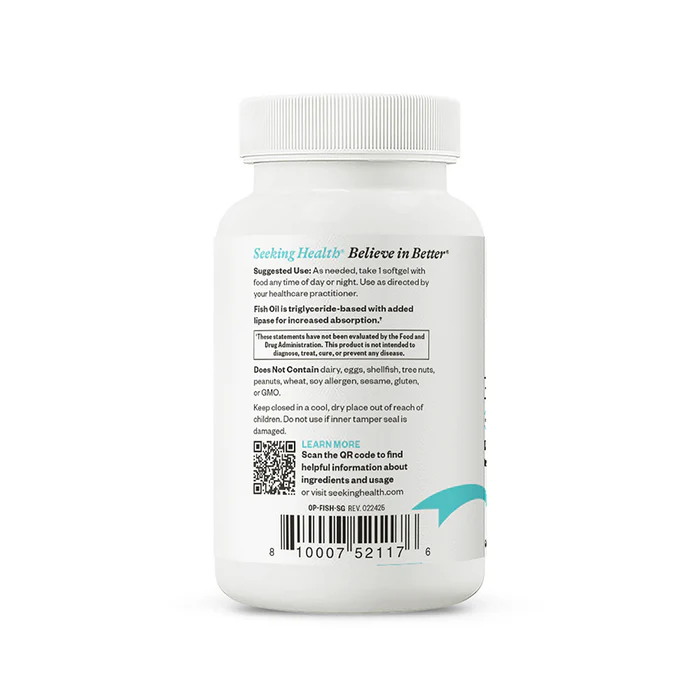
Take one to two softgels daily with food, or as directed by your healthcare practitioner. Consistency is more important than dosage variation; daily use allows for optimal integration of omega-3 fatty acids into cell membranes. Store in a cool, dry place away from direct sunlight to maintain freshness and prevent oxidation.
Ingredients (per softgel)
- Fish Oil (from cold-water fish) – providing EPA (eicosapentaenoic acid) and DHA (docosahexaenoic acid)
- Softgel capsule (gelatin, glycerin, water)
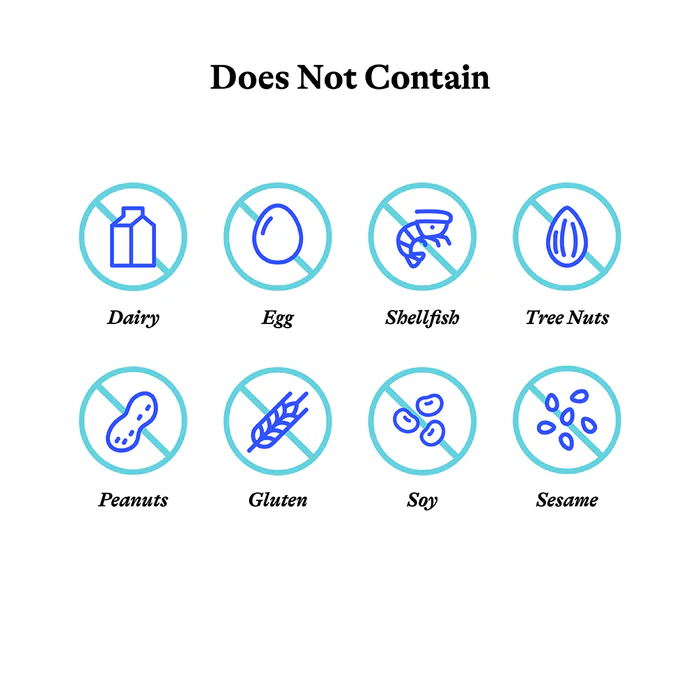
This product is free from artificial colours, flavours, and preservatives. Contains fish. If you have a fish allergy, consult your healthcare provider before use.
These statements have not been evaluated by the TGA. This product is not intended to diagnose, treat, cure, or prevent any disease.
| Weight | 0.131 kg |
|---|