Diagnostic Solutions GI-MAP® Stool Test with Personalised Report
$678.00Free shipping!
Understand your gut microbiome results, how they relate to your health history and which findings deserve attention with the GI-MAP® stool test, collected at home Australia-wide.
It assesses bacteria, yeasts, parasites and viruses, plus markers of digestion, intestinal inflammation and gut immune response. Your Test & Review pairs the laboratory analysis with a Personalised Results Review prepared by Stephen Ward.
What’s Included
Your test and laboratory analysis
- Home collection kit with clear preparation and collection instructions
- Delivery Australia-wide
- Prepaid return shipping to the laboratory within Australia
- Full laboratory results report
Personalised practitioner interpretation
- Online health questionnaire covering your symptoms, history and relevant health information
- Personalised Results Review prepared by Stephen Ward, within two business days of receiving your results and questionnaire
Support before and after testing
- Help with collection and preparation questions before you test
- Four weeks of report clarification support, with replies within one business day
- Optional consultation to discuss your results in greater detail (additional fee)
Diagnostic Solutions GI-MAP stool test in Australia, with a Personalised Results Review
The GI-MAP® gives you a measured picture of the microbes and gut health markers in your stool, and our report gives a clearer sense of which results deserve attention. It is a DNA-based stool test you collect at home, available Australia-wide, with the sample analysed by Diagnostic Solutions Laboratory in the United States. The laboratory uses quantitative PCR (qPCR), a method that measures how much of each organism’s DNA is present, so results come as amounts compared with reference ranges, not just present or absent. People often choose it when their question is about their gut itself and they want measured information to work from.
More than a laboratory report
Your GI-MAP Test & Review includes a Personalised Results Review prepared by Stephen Ward, Nutritionist and Functional Medicine practitioner at Fairfield Nutrition. It can be challenging to know which findings are relevant to you, how they relate to your health history, and what they can and cannot tell you is an important part of the process. We read your results alongside the health questionnaire you complete, so you understand the findings and the sensible next steps to consider. Four weeks of report clarification support follows the review, and an optional consultation (additional fee) is available if you want to go further.
Fairfield Nutrition Thoughts
When this test is a good choice
The GI-MAP gives you a detailed, measured picture of your gut: which microbes are present and in what amounts, alongside markers of digestion, inflammation and gut immune activity, each compared against the laboratory’s reference ranges. It’s a strong choice when ongoing digestive concerns persist despite sensible changes to diet and routine, or when you’d rather base your next step on data than trial products one after another. Stephen Ward uses it to bring clarity and direction to exactly these situations.
Every test includes a Personalised Results Review and four weeks of clarification support. GI-MAP reports are comprehensive, and part of their value lies in interpretation: we help you identify which findings are relevant to you, and how they fit with your history and symptoms, so you can move forward with a clear sense of priorities.
When it may not be the right one
- Severe, sudden or worsening symptoms, bleeding from the bowel or unexplained weight loss need a doctor first, not a stool test ordered online.
- If you have had a colonoscopy or barium enema in the past four weeks, the laboratory recommends waiting before you test.
What It Measures
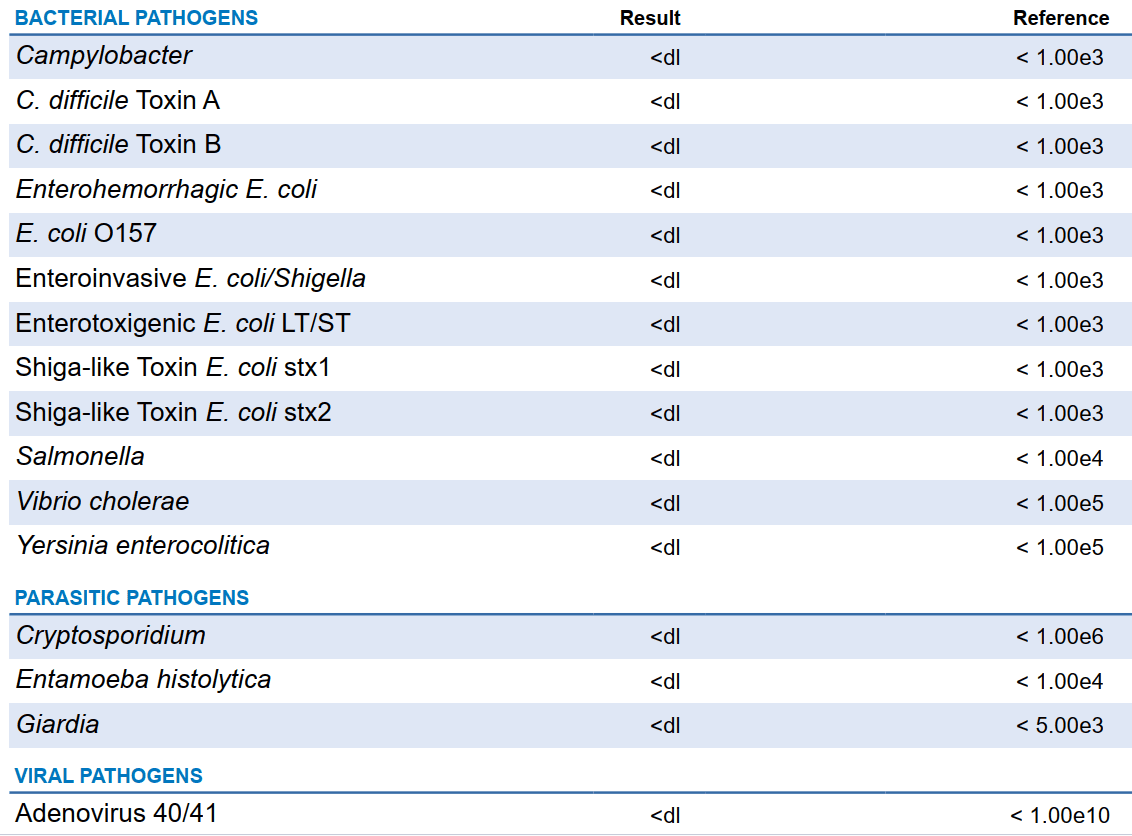
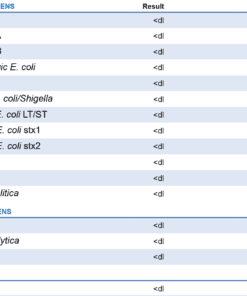
Pathogens
- Bacterial: Campylobacter, C. difficile Toxin A and Toxin B, Salmonella, Shiga-like Toxin E. coli and others
- Parasitic: Cryptosporidium, Entamoeba histolytica, Giardia
- Viral: Adenovirus 40/41, Norovirus GI/II
Reports the amount of DNA from bacteria, parasites and viruses that the laboratory classes as pathogens.
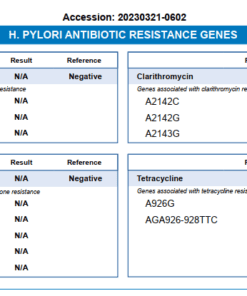
H. pylori and virulence factors
- Helicobacter pylori
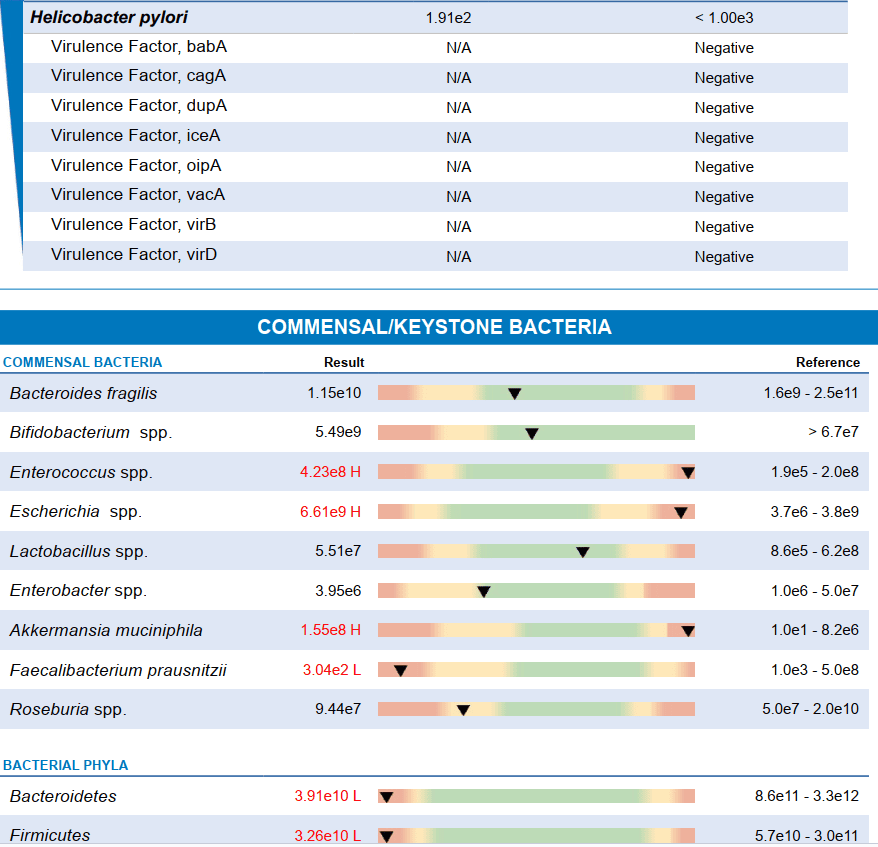
- Virulence factor genes, including cagA and vacA
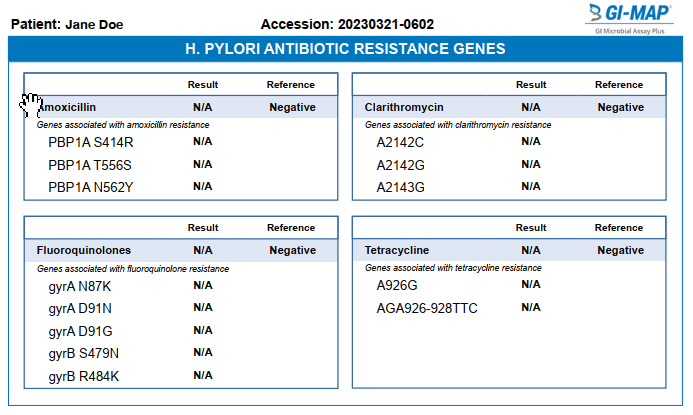
- Antibiotic resistance genes for clarithromycin, amoxicillin, fluoroquinolones and tetracycline
Reports the amount of H. pylori, with related virulence and resistance genes listed alongside.
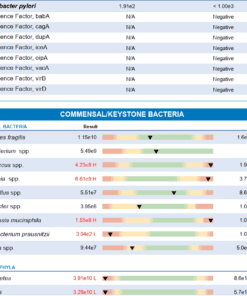
Commensal and keystone bacteria
- Bacteroides fragilis, Bifidobacterium spp., Lactobacillus spp., Akkermansia muciniphila, Faecalibacterium prausnitzii, Roseburia spp. and others
- Bacterial phyla: Bacteroidetes, Firmicutes and the Firmicutes:Bacteroidetes ratio
Shows levels of bacteria commonly present in the gut, each against a reference range.
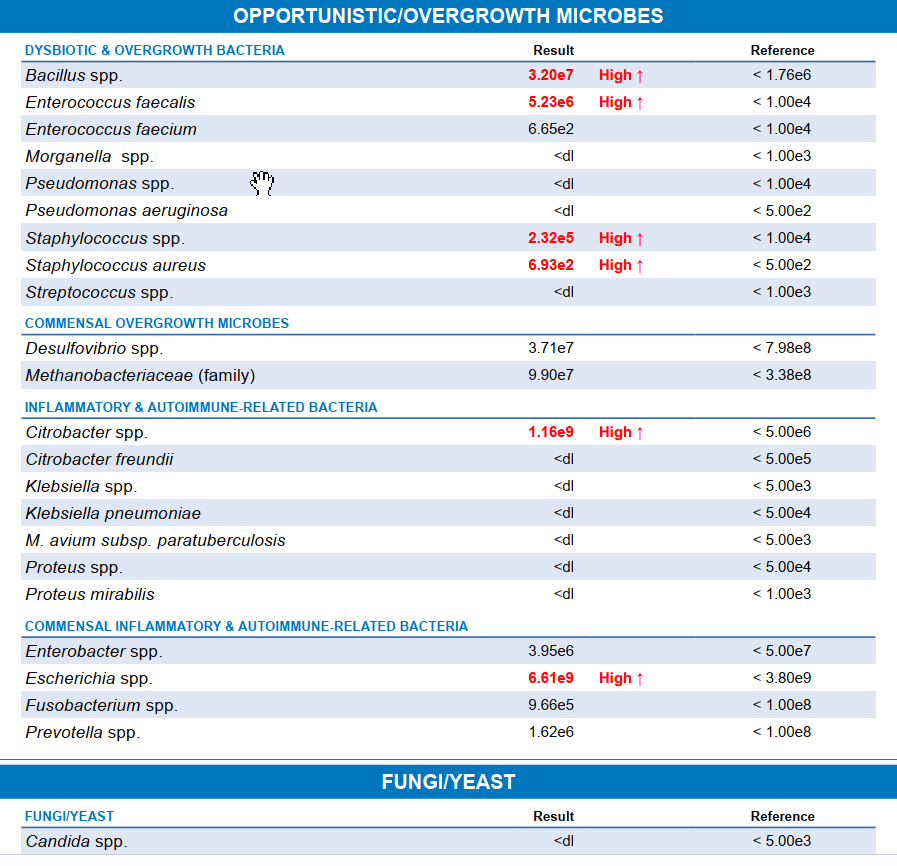
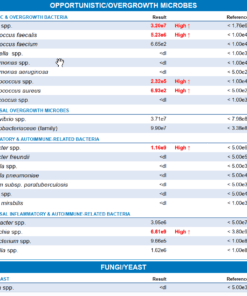
Opportunistic and overgrowth microbes
- Bacteria such as Bacillus spp., Enterococcus faecalis, Staphylococcus aureus, Citrobacter spp., Klebsiella spp. and Proteus spp.
- Commensal overgrowth: Desulfovibrio spp., Methanobacteriaceae (family)
- Fungi and yeast: Candida spp., Candida albicans, Geotrichum spp., Rhodotorula spp.
- Viruses: Cytomegalovirus, Epstein-Barr Virus
Reports organisms that are often present in small amounts and flags those above the laboratory’s reference.
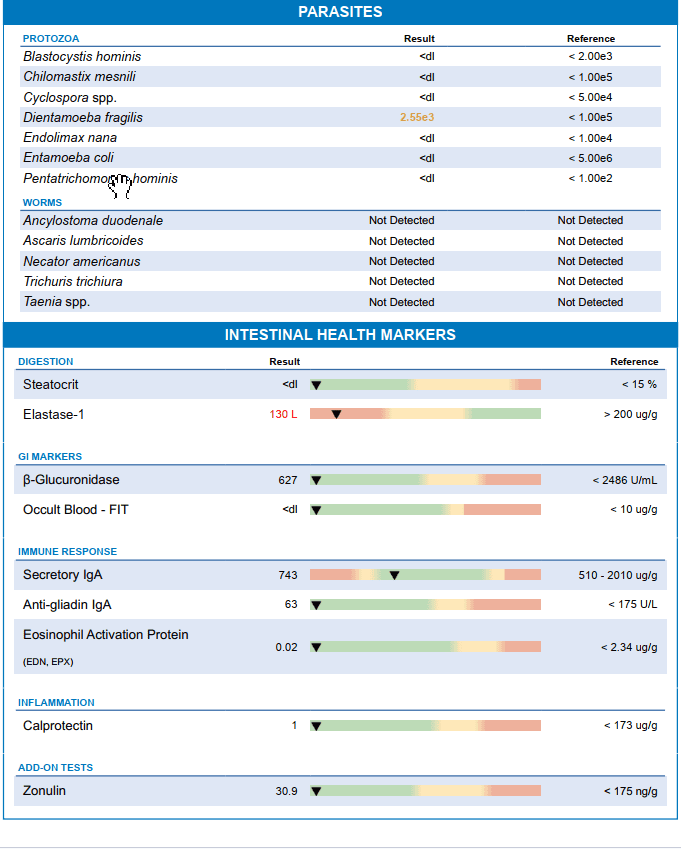
Parasites
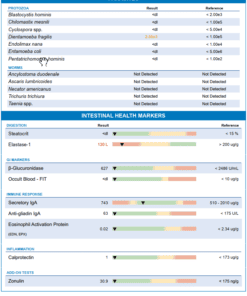
- Protozoa: Blastocystis hominis, Dientamoeba fragilis, Endolimax nana, Cyclospora spp. and others
- Worms: Ascaris lumbricoides, Trichuris trichiura, Taenia spp. and others
Reports protozoa as amounts and worms as detected or not detected.
Intestinal health markers
- Digestion: Steatocrit, Elastase-1
- GI markers: β-Glucuronidase, Occult Blood (FIT)
- Immune response: Secretory IgA, Anti-gliadin IgA, Eosinophil Activation Protein
- Inflammation: Calprotectin
- Add-on: Zonulin
Gives information about digestion, gut immune activity and intestinal inflammation.
Results arrive as a written laboratory report with each marker against its reference range, and your Personalised Results Review reads them alongside your history and questionnaire.
How It Works
- Order your GI-MAP Test & Review. We send your kit with everything needed to collect and return your sample.
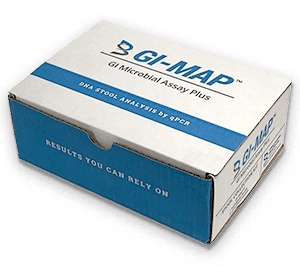
- Receive your kit. It is delivered Australia-wide and includes collection instructions, a test request form, a specimen vial and a prepaid Express Post return envelope.
- Complete your online health questionnaire. Your review starts once we have both your results and your questionnaire, so completing it early avoids a wait.
- Collect your sample on a Sunday or Monday. Follow the kit instructions and keep the sample refrigerated, not frozen, until you post it.
- Post it on the Monday. Use the Express Post envelope at a yellow Express Post box or an Australia Post office before the 4 pm cut-off. The sample must reach the laboratory in the United States within six days of collection.
- Laboratory analysis. Diagnostic Solutions Laboratory analyses your sample. Designs for Health gives a turnaround of about 3.5 weeks from when you send it.
- Receive your results and Personalised Results Review. Stephen Ward prepares your review within two business days of us receiving both your laboratory results and your completed questionnaire.
What happens after you receive your results?
You receive your full GI-MAP report and your Personalised Results Review together, so you aren’t left to work through pages of organisms and reference ranges on your own. The review separates findings that may warrant attention from those of limited significance, and sets out next steps to consider. You then have four weeks of report clarification support, and an optional consultation (additional fee) if you’d like to go further. The test and your review support informed decisions and do not replace medical diagnosis or advice from your doctor.
Preparing for Your Test
Two weeks before
The laboratory instructions ask you to review your current medicines and supplements before testing, including antibiotics, proton pump inhibitors or H2 receptor blockers, oral steroids, biologic agents, anti-inflammatory medicines, laxatives, motility agents, blood-thinning agents and anti-diabetic agents. Check with your healthcare practitioner about whether any timing changes apply to you. The instructions also say not to stop prescription medicines unless your doctor directs you to.
Two days before
No fasting is needed. Eat your normal diet, and include a broad range of foods if you can, such as meat, fish, poultry, raw and cooked vegetables, carbohydrates and fats. If you are vegetarian or vegan, keep to your usual diet.
Collection day
- Collect on a Sunday or Monday only.
- Check the expiry date on the specimen vial label first. It is printed in US format (year/month/day).
- Fill the vial to the fill line with stool taken from several areas of the sample, and don’t pour out the pink liquid in the vial.
- Write your name and the collection date and time on the vial, and the collection date on the test request form.
Storing and returning your sample
- Keep the sample refrigerated, not frozen, until you post it.
- Post it on the Monday by Express Post, at a yellow Express Post box or an Australia Post office before the 4 pm cut-off.
- The sample must reach the laboratory in the United States within six days of collection, or it can’t be tested.
Follow the full instructions and checklist in your kit, because incorrect collection can make a sample unusable. If anything is unclear before you start, contact us. Help with collection and preparation questions is included with your Test & Review.
What You Will Receive
Your GI-MAP Test & Review is built around your Personalised Results Review, prepared by Stephen Ward. Your results arrive with a plain-language explanation of what they show, read in the context of your own history and symptoms.
Your test and laboratory analysis
- Home collection kit with clear preparation and collection instructions, so you can collect your sample correctly at home.
- Delivery Australia-wide, wherever you live.
- Prepaid return shipping to the laboratory within Australia, so there is no postage to arrange.
- Full laboratory results report, showing each marker against the laboratory’s reference range.
Personalised practitioner interpretation
- Online health questionnaire covering your symptoms, history and relevant health information, so your results are read in context.
- Personalised Results Review prepared by Stephen Ward, within two business days of receiving your results and questionnaire.
Support before and after testing
- Help with collection and preparation questions before you test, so you can collect with confidence.
- Four weeks of report clarification support, with replies within one business day.
- Optional consultation to discuss your results in greater detail (additional fee).
Your Personalised Results Review
Prepared by Stephen Ward and included with your Test & Review, within two business days of receiving both your laboratory results and your completed questionnaire.
- Your key findings. A plain-English overview of the results that deserve attention.
- How they relate to your history. Your results read alongside the symptoms, history and context from your questionnaire.
- What matters and what doesn’t. Which findings are worth acting on, and which are inconclusive or shouldn’t be over-read.
- Your next considerations. Prioritised questions and practical next steps to consider.
- Where to from here. What your included follow-up covers, and when a consultation would help you go further.
Four weeks of report clarification support
After you receive your Personalised Results Review, you can email questions about the findings or explanations in it for up to four weeks. We reply within one business day.
Included: what a marker means, why a finding was flagged, the limits of a result, and more detail on one of the suggested next steps.
A great fit for a consultation (additional fee): a full treatment plan, a review of your complete supplement regimen, interpreting additional test reports, or reassessing new or changing symptoms.
Common Questions
What does the Personalised Results Review cover?
Stephen Ward prepares it within two business days of us receiving both your laboratory results and your completed questionnaire. It covers your key findings in plain English, how they relate to your history and symptoms, which findings matter and which are inconclusive or shouldn’t be over-read, prioritised next considerations, and where to go from here, including what your follow-up covers and when a consultation would help.
What happens if I have questions after my review?
You have four weeks of report clarification support. Email questions about any finding or explanation in your review, such as what a marker means or why something was flagged, and we reply within one business day. A full treatment plan, a review of your whole supplement regimen, other test reports or new symptoms suit the optional consultation (additional fee).
How long do results take?
Designs for Health gives a laboratory turnaround of about 3.5 weeks from when you send your sample. Your Personalised Results Review follows within two business days of us receiving both your results and your completed questionnaire. Completing the questionnaire while your sample is at the laboratory means your review can start as soon as the results arrive.
Do I need a referral or my own practitioner?
No. Designs for Health supplies the GI-MAP through practitioners, and Fairfield Nutrition is the practitioner for your test. We receive your results, prepare your Personalised Results Review, answer clarification questions and offer an optional consultation (additional fee). If you’d like, you can also share your report with your own doctor.
Do I need to stop my medicines or supplements?
The laboratory asks you to review certain medicines two weeks before testing, including antibiotics, acid-reducing medicines, steroids, laxatives and anti-inflammatory medicines. Check with your healthcare practitioner about your own situation, and don’t stop a prescription medicine unless your doctor directs you to. If you’re unsure how a supplement fits with preparation, ask us before you collect.
What if I can’t collect on a Sunday or Monday?
Wait until the next Sunday or Monday that suits you. The collection days are fixed because the sample has to be posted on the Monday and reach the laboratory in the United States within six days, or it can’t be tested. Before you collect, check that the vial is within its expiry date, which is printed in year/month/day format.
How accurate is the GI-MAP?
Diagnostic Solutions Laboratory is CLIA-certified, and it reports that each organism on the panel is individually validated, with repeat testing of the same sample varying by less than 10%. Because the test detects DNA, it can include organisms that are no longer alive. That is one reason results are best read in context, which is what your review does.
Where is my sample analysed, and what happens to my information?
Your sample goes through Designs for Health in Australia to Diagnostic Solutions Laboratory in the United States. The test request form asks you to consent to your personal and health information being sent overseas for testing, and explains how that affects your protections under the Australian Privacy Act. Read that section before you sign.
| Weight | 0.1 kg |
|---|---|
| Tier | Results + Report, Results, Report & Consultation |